

Procurement managers and engineers who make strategic buying choices need to know how the costs of Inch Series Single Row Tapered Roller Bearings are structured. Prices for these special bearings range from $50 to $15,000, based on the size, level of accuracy, and level of customization needed. Prices are affected by things like the size of the bearing's inner ring, its load capacity, the quality of the material, and the production flaws. This detailed guide talks about important cost factors that will help you make smart choices while matching performance needs with budget limits for your heavy-duty industrial uses.
Understanding Tapered Roller Bearing Fundamentals
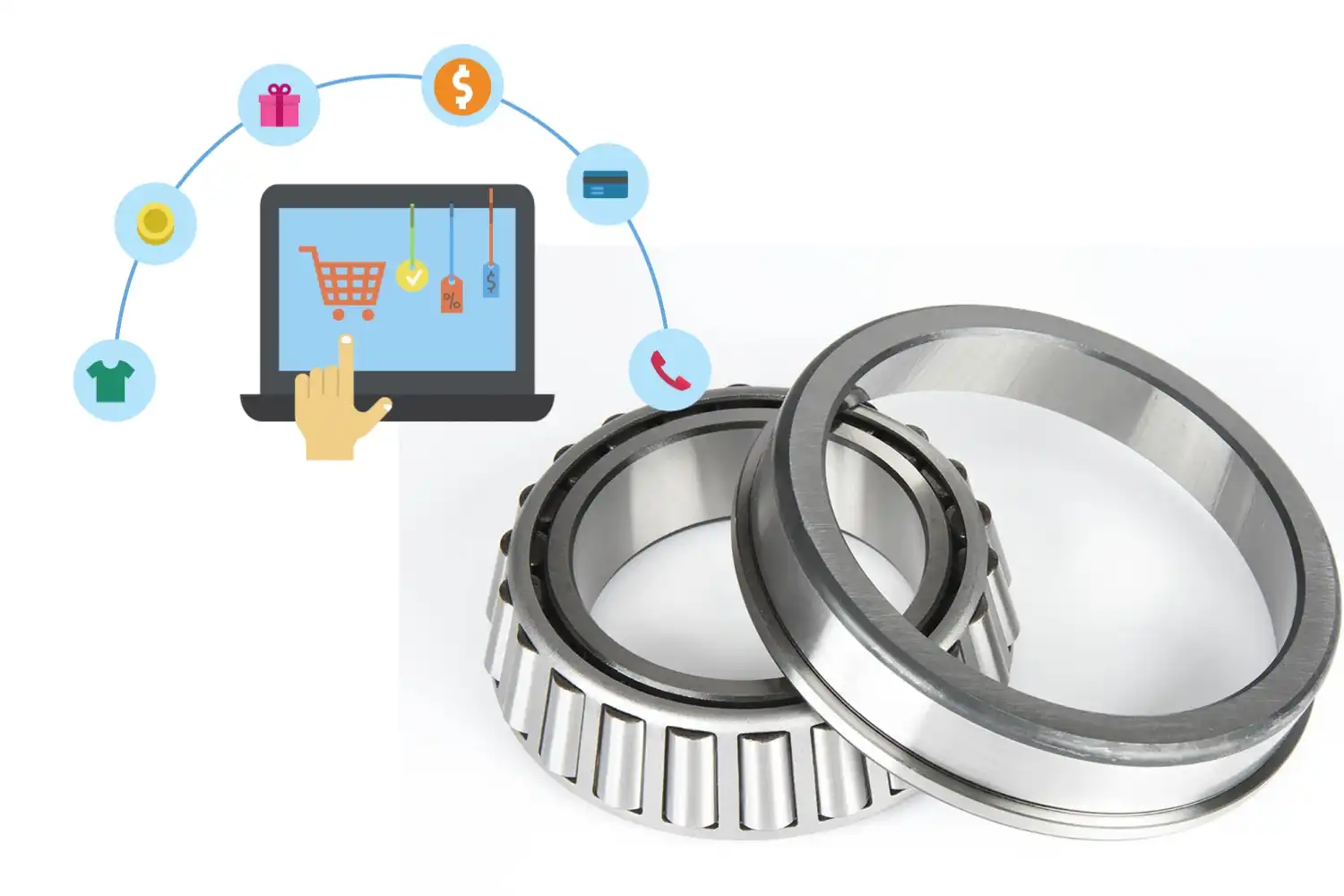
When it comes to heavy industrial uses, single-row bearing designs with curved shapes are the pinnacle of engineering excellence. The special design has curved raceways on both the inner ring and outer ring sides of the bearing. This makes the best contact angles for handling mixed stress situations. The basic structure has tapering wheels that were carefully made and placed between the inner and outer rings. Each roller stays in contact with the other rollers along its full length. This spreads the load evenly across the bearing space. This way of thinking about design makes the bearings hold as much weight as possible while reducing stress buildup that could shorten their useful life. Precision in manufacturing is directly linked to stability in performance. To keep things from breaking too soon, the limits for dimensions that affect how well the bearing shaft and case fit together must meet very strict standards. The material and form of the bearing cage have a big effect on how smoothly the system works, how much noise it makes, and how efficient it is overall. In heavy-duty situations, controlling the temperature becomes very important. Modern materials and special heat treatment methods make bearings more resistant to high temperatures. This lets them work for longer in harsh mining and industrial settings where regular bearings would break down quickly.
Key Factors Affecting Bearing Costs
The main thing that affects costs in the production of Inch Series Single Row Tapered Roller Bearings is the makeup of the materials used. Higher prices are charged for premium steel types that are better at resisting wear, but they endure extreme loads for a long time. Specialized metals made for places that are toxic or for use at high temperatures make materials even more expensive. Precision scores have a big effect on how prices are set. Advanced production methods are needed to make higher-quality Inch Series Single Row Tapered Roller Bearings that need tighter limits on dimensions, better alignment, and less friction. These higher standards mean better performance, but they require big investments in quality control systems and precision cutting tools. Costs grow exponentially when you think about size. For larger Inch Series Single Row Tapered Roller Bearings measurements, special production tools, longer grinding processes, and more raw materials are needed. Custom bearing outer ring shapes or non-standard bearing inner ring specs make the cost of production even higher. Lubrication needs affect both the original cost and the cost over the life of the product. Inch Series Single Row Tapered Roller Bearings that are made to work with specific lubrication methods or longer upkeep periods may cost more. However, these purchases often save a business a lot of money because they cut down on downtime and maintenance. Certification and testing rules make things more valuable, but they cost more at first. Inch Series Single Row Tapered Roller Bearings that meet aircraft, nuclear, or other specialized industry standards go through a lot of proof steps that make them very reliable, but cost a lot of money to test.
Market Price Analysis and Trends
The market is currently showing steady growth in demand across the mining and industrial sectors. For most commercial uses, standard inch series bearing setups cost between $200 and $2,000. Designs that are specifically made for rolling mills or big tools cost between $3,000 and $12,000.The ability of a region's factories to make goods affects how prices change. When compared to options made overseas, domestic production often costs more, but it has benefits in quality control, expert help, and on-time delivery. These things become even more important in critical situations where a broken bearing could mean big losses in production. Changes in the prices of raw materials have a big effect on bearing costs. Changes in the price of steel, the cost of energy, and the supply of specific alloys all put pressure on costs all the time. Established producers with stable supply lines usually have more stable prices than smaller providers whose prices can change when the cost of materials changes. The market is still changing because of new technologies. Innovative manufacturing methods, improved metals, and precise cutting skills allow for better performance while lowering production costs over time by making things more efficient. After recent world problems, supply chain issues have become more important. When making purchasing choices, buyers care more and more about a supplier's dependability, availability of goods, and expert help skills, along with a low price.
Total Cost of Ownership Considerations
Bearing axial load and bearing radial load directly affect running costs, in addition to the cost of purchase. Better load ratings, such as those in Inch Series Single Row Tapered Roller Bearings, allow for longer service intervals, which lowers the number of replacements needed and the costs of downtime that comes with them. This connection is especially important in businesses with ongoing processes, where stopping production can cost a lot of money. Different types of bearings have very different maintenance needs. Premium bearings, including Inch Series Single Row Tapered Roller Bearings, with better sealing systems, better bearing clearance specs, and better bearing greasing properties, often last 3–5 times longer than normal bearings. Because of these longer service times, a lot of work is saved, and the cost of keeping supplies down goes down. More and more, the energy economy is a factor in choosing which bearings to use. When bearings, like Inch Series Single Row Tapered Roller Bearings, are made with low friction, they use less power, which saves money over the life of the bearing. When used in large setups with many bearing points, these efficiency gains add up to big cost savings. Failure effects must be taken into account when figuring out costs. Important uses that need to be able to change bearings quickly may support higher bearing standards and faster supply services for components like Inch Series Single Row Tapered Roller Bearings. On the other hand, standard bearings can be used in non-critical situations with normal shipping times. There are secret costs in things like training and technology help. Suppliers who offer full installation instructions, upkeep training, and help with fixing problems for products like Inch Series Single Row Tapered Roller Bearings add value beyond the product itself. These services are especially useful for businesses that have a lot of different kinds of tools.
Procurement Strategies for Industrial Buyers
To make good buying plans, you need to know a lot about the needs of the application and the skills of the suppliers. Engineering teams should work closely with buying professionals to come up with detailed bearing specs that meet both performance and cost goals. When evaluating a supplier, you should look at more than just price. Long-term buying success depends a lot on things like manufacturing skills, quality systems, technical knowledge, and levels of service support. Established providers with a history of success in similar projects often offer better value, even if the beginning costs may be higher. Volume buying deals can save you a lot of money and make sure you always have a stock of goods. Annual contracts with agreed-upon amounts let providers make the best use of production schedules and material purchases, which leads to lower prices for customers. Standardization efforts across platforms for tools make it possible to combine inventory and use quantities more efficiently. Cutting down on the number of different bearings while still meeting performance standards makes buying easier and helps build better relationships with suppliers. Both local and foreign sources should be considered in alternative buying methods. Offshore choices may be cheaper, but domestic providers usually offer better expert help, faster shipping, and more secure supply. When it comes to cost and danger, balanced buying methods can be the best choice. Technology agreements with bearing makers can lead to new ways of solving problems in certain applications. When people work together, they often make customized goods that work better and cost less thanks to design optimization.
Quality Assessment and Specification Guidelines
To set the right bearing specs for Inch Series Single Row Tapered Roller Bearings, you need to know a lot about the loads, speeds, and weather factors that will be used. Under-specificating bearings can cause them to fail early and cause expensive downtime, while over-specificating them adds costs that are unnecessary and don't add any benefits. Quality approval standards are important standards for judging Inch Series Single Row Tapered Roller Bearings. ISO approvals, industry-specific standards, and company quality systems can help you figure out how well a product is made and how reliable it is. When Inch Series Single Row Tapered Roller Bearings fail in critical situations that could affect safety or business, these approvals become even more important. Protocols for testing make sure that Inch Series Single Row Tapered Roller Bearings work well in realistic working circumstances. Dynamic load rates, wear life estimates, and weather testing results all give numbers that help people decide which Inch Series Single Row Tapered Roller Bearings to buy. Suppliers who provide detailed testing data for Inch Series Single Row Tapered Roller Bearings show that they care about the quality of their products. Being able to inspect Inch Series Single Row Tapered Roller Bearings when they arrive lets you check the quality before installing the bearings. Visual inspection, checking the dimensions, and lube analysis are all ways to find problems before they affect work. Setting clear acceptance standards for Inch Series Single Row Tapered Roller Bearings guards against goods that aren't up to par. Supplier audit programs show how well a company can make Inch Series Single Row Tapered Roller Bearings and how well its quality processes work. Regular trips to the plant, reviews of the processes, and evaluations of the quality system help keep Inch Series Single Row Tapered Roller Bearings uniform and find ways to make things better. Most of the time, these partnerships lead to better Inch Series Single Row Tapered Roller Bearings and better expert help. Technical data, test results, and information on how to track Inch Series Single Row Tapered Roller Bearings should be included in documentation standards. Keeping detailed records for Inch Series Single Row Tapered Roller Bearings helps with planning upkeep, making guarantee claims, and making choices about future purchases. Suppliers who provide thorough paperwork for Inch Series Single Row Tapered Roller Bearings show that they are skilled and know their stuff when it comes to technology.
Conclusion
When you buy Inch Series Single Row Tapered Roller Bearings strategically, you have to think about a lot of things, like the starting prices, the performance needs, and the long-term operating issues. Knowing how bearing specs, quality levels, and prices are related lets you make smart choices that improve performance and value. Buyers who make smart choices look at the total cost of ownership instead of the original purchase price. They know that quality bearings often offer better value by lasting longer and needing less upkeep. When you work with experienced makers like Huigong, you can get access to technical knowledge, the ability to customize products, and dependable supply solutions that help your business succeed in difficult industrial settings over the long term.
Partner with Huigong for Superior Inch Series Single Row Tapered Roller Bearing Solutions
Huigong Bearing Technology stands as your trusted tapered roller bearing manufacturer, delivering exceptional value through three decades of specialized expertise in heavy industrial applications. Our advanced manufacturing capabilities produce precision-engineered bearings that exceed industry standards while maintaining competitive pricing structures. Our comprehensive customization services address unique application requirements across metallurgical, mining, and precision machinery sectors. Whether your project demands specialized bearing inner ring configurations, enhanced load capacity, or extended temperature resistance, our engineering team develops tailored solutions that optimize performance while controlling costs. Quality certification,s including ISO9001 and ISO14001, combined with over 50 invention patents, demonstrates our commitment to innovation and excellence. Our state-of-the-art facility spans 39,330 square meters with advanced production equipment and comprehensive testing capabilities, ensuring consistent product quality. Technical support extends throughout the entire bearing lifecycle, from initial specification development through bearing installation, bearing maintenance, and performance optimization. Our experienced engineering team provides detailed guidance on bearing alignment, lubrication requirements, and maintenance procedures that maximize operational reliability. Supply chain reliability ensures consistent availability when you need critical bearings. Our substantial production capacity and efficient logistics network support both standard and expedited delivery requirements. Partnering with Huigong means accessing dependable supply solutions that support your operational continuity. Experience the difference that professional expertise and manufacturing excellence make for your next bearing procurement. Contact us at sale@chg-bearing.com to discuss your specific requirements and discover how our Inch Series Single Row Tapered Roller Bearings can optimize your equipment performance while delivering exceptional value.
References
1. Harris, T.A. & Kotzalas, M.N. (2019). "Essential Concepts of Bearing Technology: Rolling Bearing Analysis, Fifth Edition." CRC Press.
2. Brandlein, J., Eschmann, P., Hasbargen, L. & Weigand, K. (2018). "Ball and Roller Bearings: Theory, Design and Application, Third Edition." John Wiley & Sons.
3. Hamrock, B.J., Schmid, S.R. & Jacobson, B.O. (2020). "Fundamentals of Fluid Film Lubrication in Bearing Systems." McGraw-Hill Education.
4. ISO 281:2017. "Rolling bearings - Dynamic load ratings and rating life." International Organization for Standardization.
5. Palmgren, A. (2018). "Ball and Roller Bearing Engineering: Principles and Practice, Eighth Edition." SKF Group Publications.
6. ANSI/ABMA Standard 11-2019. "Load Ratings and Fatigue Life for Roller Bearings." American Bearing Manufacturers Association.