

When Inch Series Single Row Tapered Roller Bearings are properly maintained, they work better and last longer in heavy industrial settings. To get the most out of these specialized bearings, they need to be inspected regularly, oiled properly, and monitored for environmental issues. In mining and metallurgy, proper upkeep cuts down on downtime costs and makes machines work better. Knowing the exact upkeep needs of a bearing helps engineers and procurement managers get the most out of their investments and keep expensive equipment from breaking down.
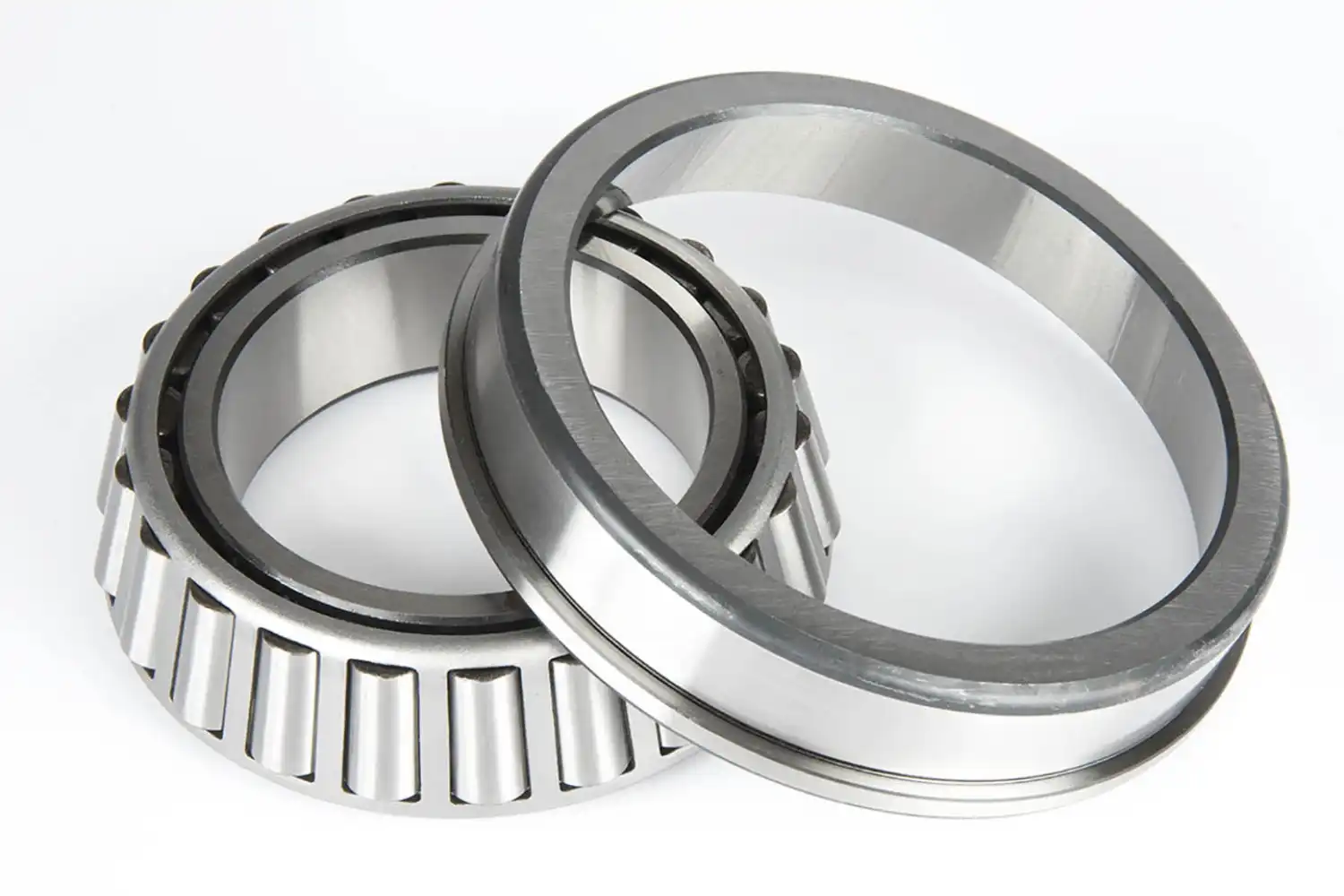
Understanding Inch Series Tapered Roller Bearing Design and Performance
The sizes of tapered roller bearings are very important for figuring out how often they need to be serviced and what kind of care they need. These bearings have a special shape with curved raceways that can handle both radial and axial loads at the same time. Because of this, they are especially good for heavy-duty uses where there are situations of mixed pressure. The load that a single row tapered roller bearing can hold relies on a number of things, such as the shape of the cage, the quality of the rolling elements, and the internal structure. When engineers make repair routines, they need to keep these requirements in mind. The ratios between the bearing's outer diameter and inner diameter change how stress is distributed, which in turn changes how it wears and how much oil it needs. The sizes of inch series bearings range from small units that can hold a few pounds of equipment to huge industrial units that can hold hundreds of tons of equipment. Knowing the specs for bearing width helps repair teams plan the right tools and ways to handle the bearings. Also, the types of bearing clearance have a direct effect on how well the system works in a range of temperature and load situations.
Essential Maintenance Procedures and Inspection Protocols
The first step in Inch Series Single Row Tapered Roller Bearings is to visually check it over completely on a regular basis. Maintenance workers should look at the different ways to seal bearings for signs of damage or contamination. When you put bearings in the right way, they last longer and don't need to be serviced as often. Monitoring the temperature is an important part of good repair plans. The highest temperature that a bearing can handle depends on the conditions of use and the type of steel used. Too much heat production usually means that there are lubrication or balance issues that need to be fixed right away. Vibration research tells you a lot about the state of bearings and how they're doing over time. Bearing sound analysis helps find problems that are starting to happen before they become too big to fix. This method to predict maintenance cuts down on unexpected downtime by a large amount and makes replacement plans more efficient. Taking regular readings of the noise level of bearings can help find problems with the way they're working. Strange sounds usually mean that there is contamination, not enough lube, or part wear. Writing down these findings makes useful past data that can be used to look for trends and plan repairs ahead of time.
Lubrication Management and Selection Criteria
The right choice of bearing oil types has a direct effect on how long the bearings last and how reliably they work. For heavy industrial uses, you need special oils that can handle high temperatures and pressures. When rolling element bearings are used in tough conditions, they need to be oiled and re-oiled often. When to lubricate depends on how the machine is being used, the climate, and the bearing's specs. Most of the time, high-load situations need to be oiled more often than normal industrial uses. The ability of a bearing to handle rotational load increases a lot when the right grease is used and applied in the right way. When moving lube types or names, grease compatibility is very important. When you mix oils that don't work well together, chemical reactions can happen that hurt the performance of the bearing. So, steps for completely removing grease and cleaning bearings should be done before any oil changes. Regular samples and study of the lube help figure out how often it should be replaced. When oils get dirty or broken down, they lose their safe qualities. This speeds up bearing wear and shortens their useful life.
Environmental Control and Contamination Prevention
Controlling the environment has a big effect on how often Inch Series Single Row Tapered Roller Bearings need to be serviced and how long they last. In industrial settings, dust, wetness, and chemical contaminants can really hurt the performance of bearings. Effective closing methods and regular cleaning help lower the risk of infection. When contaminants get in the way of the rolling element's proper operation, the bearing's rotational load capacity can be reduced. When particles get into the bearing system, they increase friction, speed up wear, and could damage parts. Checking closing systems on a regular basis helps find possible ways for contamination to get in. Spare bearings need to be stored carefully to keep them from rusting or getting dirty before they are installed. Using the right packing, temperature control, and handling techniques can keep the quality of bearings for a long time. Standards for cleanliness at work have a direct effect on how well bearing repair works. Setting up clean workspaces for installing and maintaining bearings lowers the risk of contamination and raises the overall reliability.
Troubleshooting Common Issues and Performance Problems
Finding early warning signs of bearing problems lets repair workers do things before they go wrong. Some common signs are higher working temperatures, strange noise patterns, and high amounts of shaking. Systematic ways of fixing help support teams figure out what's wrong. Failures in bearing cage designs are often caused by not enough grease or too much load. These issues usually show up as strange noises or damage to the cage that can be seen during inspection. Quickly finding and fixing the problem stops damage from spreading to other parts of the bearing. Misalignment problems often lead to early bearing failure in big industrial settings. Using precise measuring tools to check the balance on a regular basis helps find problems before they get worse. Fixing problems with alignment makes both performance and service life better. Conditions of loading that are higher than what was planned for speed up bearing wear and shorten their useful life. Comparing real working loads to stated limits can help you get the most out of your repair plans and replacement times.
Advanced Monitoring Technologies and Predictive Maintenance
Modern tracking technologies allow for more complex evaluations of Inch Series Single Row Tapered Roller Bearings' health and planned repair plans. Wireless sensor networks keep an eye on important factors like temperature, shaking, and sound sources all the time. These tools let repair teams know when problems are starting to happen before they happen. Thermal imaging helps find patterns of localized warmth that point to problems with the bearings. Thermal scans done on a regular basis record starting conditions and keep an eye on how things are working over time. This information helps make choices about care and improvement that are based on facts. Oil research tools give you a lot of information about the state of bearings and how well they are being oiled. Spectroscopic research finds wear metals and other toxins and keeps track of how lubricants break down. This information helps figure out the best times to lubricate and repair bearings. Ultrasonic tracking methods pick up high-frequency sounds that are caused by defective bearings and lubricant issues. These methods help condition-based maintenance techniques by giving early warnings of problems that are about to happen.
Conclusion
Inch Series Single Row Tapered Roller Bearings need to be maintained in a planned way that includes regular checks, the right way to handle greasing, and steps to protect the environment. Maintenance teams can come up with the best service plans when they know about the design features of bearings and how well they need to work. Predictive repair methods that reduce downtime and increase machine efficiency are supported by modern tracking technologies. Working with seasoned bearing makers like Huigong guarantees access to technical know-how and high-quality goods that lower the total need for upkeep. Setting up thorough repair programs saves the money you've spent on equipment and improves working efficiency in tough industrial settings.
Why Choose Huigong for Your Inch Series Single Row Tapered Roller Bearing Supplier Needs
Selecting the right Inch Series Single Row Tapered Roller Bearings manufacturer significantly impacts your equipment's long-term performance and maintenance requirements. Huigong Bearing Technology brings over 25 years of specialized experience in heavy industrial bearing solutions. Our comprehensive understanding of demanding applications helps engineers and procurement managers achieve optimal equipment reliability. Huigong's advanced manufacturing capabilities include more than 150 sets of precision production equipment and over 70 testing instruments. Our quality control systems ensure every bearing meets stringent performance standards before delivery. This commitment to excellence translates into reduced maintenance requirements and extended service life for your critical equipment. Our technical team provides customized bearing solutions tailored to specific operating conditions and performance requirements. Whether you need specialized materials, modified geometries, or enhanced sealing systems, Huigong delivers engineered solutions that optimize maintenance efficiency. Contact us at sale@chg-bearing.com to discuss your specific maintenance challenges and bearing requirements with our experienced engineers.
References
1. Harris, T.A. & Kotzalas, M.N. (2007). "Essential Concepts of Bearing Technology: Rolling Bearing Analysis." Taylor & Francis Engineering, 5th Edition.
2. Hamrock, B.J., Schmid, S.R. & Jacobson, B.O. (2004). "Fundamentals of Fluid Film Lubrication: Bearing Design and Analysis." McGraw-Hill Mechanical Engineering Series.
3. International Organization for Standardization. (2018). "Rolling Bearings - Dynamic Load Ratings and Rating Life." ISO 281:2018 Standards Publication.
4. Society of Tribologists and Lubrication Engineers. (2020). "Industrial Bearing Maintenance: Best Practices and Lubrication Guidelines." STLE Technical Manual.
5. American Bearing Manufacturers Association. (2019). "Tapered Roller Bearing Installation and Maintenance Guide." ABMA Engineering Standards.
6. Machinery Lubrication Institute. (2021). "Predictive Maintenance Technologies for Rolling Element Bearings in Heavy Industry Applications." MLI Research Publication.