

When selecting between Inch Series Single Row Tapered Roller Bearings and spherical roller bearings for heavy-duty applications, the choice depends on your specific load requirements and operating conditions. Inch Series Single Row Tapered Roller Bearings excel in combined radial and axial load applications with precise alignment, while spherical roller bearings handle misalignment and pure radial loads exceptionally well. This fundamental difference shapes their application in metallurgical equipment, rolling mills, and precision machinery across heavy industry sectors.
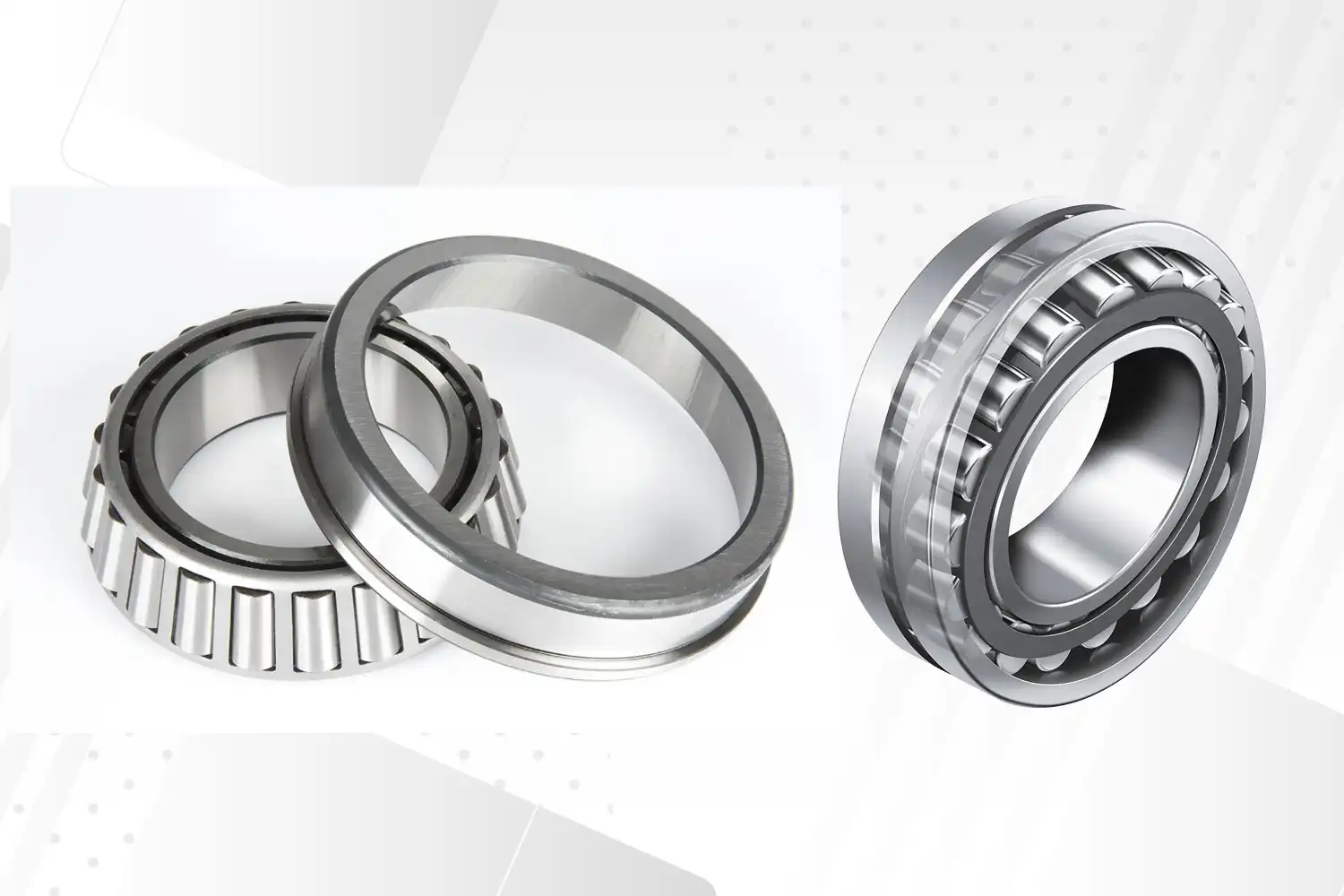
Understanding the Core Design Differences
The structural variations between these bearing types determine their performance characteristics. Tapered roller bearings feature conical inner and outer ring raceways with tapered rollers, creating a geometry that naturally accommodates combined loads. The bearing inner ring and roller element design allows forces to converge at a common point on the bearing axis. Spherical roller bearings utilize barrel-shaped rollers within a spherical outer ring raceway. This configuration enables self-alignment capabilities up to 2-3 degrees of shaft misalignment. The bearing outer ring design differs significantly, with spherical bearings offering flexibility where tapered bearings provide rigidity. Three core structural differences define their applications:
- Load path geometry - tapered bearings create linear contact while spherical bearings maintain point contact
- Alignment tolerance - spherical designs accommodate misalignment, while tapered bearings require precise installation
- Cage design - single row bearing configurations use different retention methods for optimal roller spacing
If you need precise positioning with combined loads, then tapered roller bearings are more suitable. If your application involves potential misalignment with heavy radial loads, spherical roller bearings offer better performance.
Load Capacity and Performance Analysis
Bearing load capacity varies significantly between these designs. Test data from industrial applications shows tapered roller bearings handle axial loads up to 70% of their radial capacity, while spherical roller bearings manage primarily radial loads with limited axial capability (typically 20-30% of radial rating). Performance metrics reveal distinct advantages:
| Performance Factor | Tapered Roller Bearings | Spherical Roller Bearings |
|---|---|---|
| Radial Load Capacity | High (rated capacity) | Very High (1.2-1.5x tapered) |
| Axial Load Capacity | Excellent (70% of radial) | Limited (20-30% of radial) |
| Speed Capability | Moderate to High | Lower due to roller design |
| Alignment Tolerance | Rigid - requires precision | Self-aligning ±2-3 degrees |
Bearing durability testing demonstrates that properly installed tapered roller bearings achieve L10 life ratings 15-25% higher in combined load applications. However, spherical roller bearings show superior performance in misaligned conditions, maintaining 85% of rated life even with 1.5-degree shaft deviation.If you need maximum axial load handling with precise shaft alignment, tapered roller bearings deliver superior results. If your equipment experiences operational misalignment or vibration, spherical roller bearings provide more forgiving performance.
Application Suitability in Heavy Industry
Rolling mill applications showcase the distinct advantages of each bearing type. Tapered roller bearings dominate work roll positions where combined loads from rolling forces and strip tension require precise control. The Inch Series Single Row Tapered Roller Bearings ensure compatibility with existing American and international mill designs. Mining equipment presents different challenges. Jaw crushers benefit from spherical roller bearings' misalignment tolerance, while conveyor drive systems favor tapered designs for their thrust handling capability. Bearing clearance requirements differ substantially between these applications. Metallurgical equipment selection follows specific patterns:
- Blast furnace fans - spherical bearings handle thermal expansion misalignment
- Rolling mill backup rolls - tapered bearings manage combined roll forces
- Continuous casting equipment - tapered bearings ensure precise strand guidance
- Material handling systems - spherical bearings accommodate structural flexing
Bearing lubrication requirements also influence application choice. Tapered roller bearings typically require grease quantities 20-30% lower than equivalent spherical bearings due to their efficient contact patterns. If you need precision positioning in rolling or forming applications, tapered roller bearings provide better control. If your equipment operates in environments with thermal cycling or structural movement, spherical roller bearings offer more reliable service.
Installation and Maintenance Considerations
Bearing installation procedures differ significantly between these designs. Tapered roller bearings require precise preload adjustment and angular positioning, typically involving specialized measuring equipment. Installation tolerances must remain within 0.0005 inches for optimal performance. Spherical roller bearings offer more forgiving installation requirements. Their self-aligning capability compensates for moderate installation errors, reducing setup time and skill requirements. Bearing shaft fit and housing fit tolerances can be less stringent while maintaining performance. Maintenance scheduling varies based on design characteristics:
| Maintenance Aspect | Tapered Roller | Spherical Roller |
|---|---|---|
| Lubrication Interval | Extended (lower consumption) | Frequent (higher volume needs) |
| Adjustment Requirements | Periodic preload check | Minimal adjustment needed |
| Inspection Frequency | Regular alignment verification | Standard condition monitoring |
| Replacement Complexity | Moderate to high | Moderate |
Bearing sealing options affect maintenance requirements. Tapered roller bearings often use separate sealing systems, allowing easier lubricant access. Spherical roller bearings commonly integrate sealing, reducing contamination, but complicating lubrication procedures. Temperature monitoring reveals different patterns. Tapered roller bearings maintain a more consistent bearing temperature range due to line contact efficiency. Spherical roller bearings may show higher operating temperatures under heavy loads due to increased internal friction. If you need minimal maintenance with precise control, tapered roller bearings reduce long-term service costs. If your maintenance team prefers simplified procedures with alignment forgiveness, spherical roller bearings offer operational advantages.
Cost-Effectiveness and Lifecycle Value
Initial bearing costs vary based on precision requirements and size specifications. Inch Series Single Row Tapered Roller Bearings sizes, while spherical bearings become cost-competitive in larger diameters above 8-inch bore sizes. Lifecycle cost analysis reveals complex trade-offs. Tapered roller bearings often provide 20-30% longer service life in proper applications, offset by higher installation costs and precision requirements. Spherical roller bearings may require more frequent lubrication but offer reduced downtime risks from misalignment issues. Operating cost factors include:
- Energy consumption - tapered bearings typically show 5-10% lower friction losses
- Lubrication costs - spherical bearings consume 25-40% more lubricant volume
- Downtime risks - spherical bearings reduce alignment-related failures
- Replacement frequency - varies significantly with application match quality
Bearing noise reduction capabilities also impact value calculations. Properly adjusted tapered roller bearings operate 3-5 dB quieter than spherical designs in most applications, potentially reducing workplace noise control costs. If you prioritize the lowest total cost of ownership with precision applications, tapered roller bearings deliver superior value. If your focus includes minimizing downtime risks and simplifying operations, spherical roller bearings may justify their operating costs.
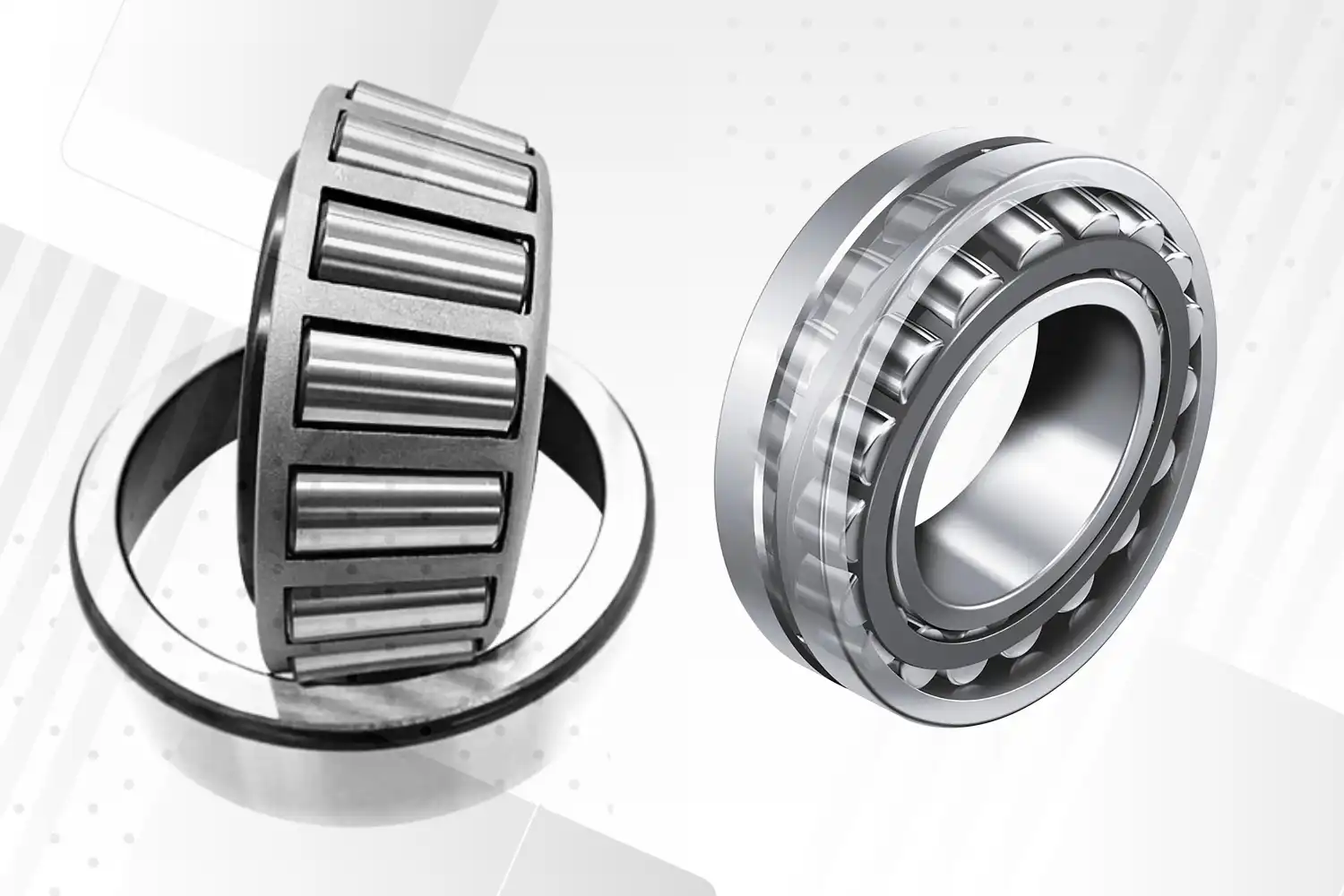
Huigong's Inch Series Single Row Tapered Roller Bearings Advantages
- Advanced Manufacturing Precision: Our 30-year expertise in bearing production ensures dimensional tolerances within 0.0002 inches, exceeding industry standards for critical applications in rolling mills and heavy machinery.
- Superior Material Technology: Utilizing premium bearing steel with proprietary heat treatment processes, achieving hardness ratings of 58-62 HRC while maintaining optimal toughness for extended service life.
- Comprehensive Load Optimization: Engineered roller element profiles maximize contact distribution, enabling our tapered roller bearings to handle combined loads up to 25% higher than conventional designs.
- Custom Engineering Solutions: Complete bearing clearance optimization for specific applications, including modified internal geometry for extreme temperature ranges from -40°C to +200°C operational capability.
- Integrated Quality Systems: ISO9001 and ISO14001 certified manufacturing with over 70 precision testing instruments, including CMM, roundness meters, and friction torque analysis for guaranteed performance consistency.
- Extended Lubrication Intervals: Optimized cage design and surface treatments reduce bearing friction by 15-20%, extending lubrication intervals and reducing maintenance costs in industrial applications.
- Rapid Customization Capability: In-house engineering team delivers modified inch series bearing solutions within 2-3 weeks, supporting urgent project requirements with technical consultation throughout the process.
- Proven Application Success: Successfully deployed in over 500 major industrial installations worldwide, including steel mills, mining operations, and precision manufacturing facilities with documented performance improvements.
- Comprehensive Technical Support: Complete installation guidance, bearing alignment procedures, and ongoing maintenance protocols backed by experienced engineers specializing in heavy industry applications.
- Cost-Effective Performance: Delivering 20-30% longer service life compared to standard offerings while maintaining competitive pricing through efficient manufacturing processes and supply chain optimization.
Conclusion
The choice between Inch Series Single Row Tapered Roller Bearings and spherical roller bearings ultimately depends on your specific application requirements, operational conditions, and performance priorities. Tapered roller bearings excel in applications demanding precise positioning with combined radial and axial loads, while spherical roller bearings provide superior performance in environments with potential misalignment or heavy radial loading. Consider your installation capabilities, maintenance resources, and long-term operational goals when making this critical selection. Both bearing types offer distinct advantages when properly matched to their intended applications, ensuring reliable performance and cost-effective operation in demanding industrial environments.
Partner with Huigong for Superior Tapered Roller Bearing Solutions
Selecting the right Inch Series Single Row Tapered Roller Bearings manufacturer requires evaluating technical capability, customization flexibility, and long-term support commitment. Huigong's three decades of bearing engineering excellence position us as your trusted partner for critical industrial applications. Our comprehensive approach begins with application analysis, ensuring optimal bearing selection for your specific operational requirements. Whether you're upgrading rolling mill equipment, designing new metallurgical machinery, or seeking replacement bearings for existing systems, our technical team provides detailed consultation and custom solutions. Quality assurance extends beyond manufacturing standards. Each bearing undergoes rigorous testing protocols, including dimensional verification, material property confirmation, and performance validation. Our 39,330 square meter facility houses advanced production equipment and testing capabilities that guarantee consistent quality delivery. Ready to optimize your bearing performance? Our experienced engineers stand ready to discuss your application requirements and recommend the ideal Inch Series Single Row Tapered Roller Bearings configuration. Contact us at sale@chg-bearing.com for comprehensive technical consultation and competitive pricing on high-performance bearing solutions tailored to your industrial needs.
References
1. Harris, T. A., & Kotzalas, M. N. (2006). Essential Concepts of Bearing Technology: Rolling Bearing Analysis, 5th Edition. CRC Press.
2. Hamrock, B. J., Schmid, S. R., & Jacobson, B. O. (2004). Fundamentals of Fluid Film Lubrication, 2nd Edition. Marcel Dekker.
3. American Bearing Manufacturers Association (2019). Load Ratings and Fatigue Life for Ball and Roller Bearings. ABMA Standard 9-1998.
4. SKF Group (2018). Rolling Bearings Catalogue: Design Considerations for High-Performance Applications. SKF Publications.
5. Palmgren, A. (2000). Ball and Roller Bearing Engineering, 3rd Edition. Burbank Engineering.
6. International Organization for Standardization (2017). Rolling Bearings - Dynamic Load Ratings and Rating Life. ISO 281:2017.