

Maximize Precision With Single Row Ball Slewing Bearing Design
The design of a single-row ball slewing bearing that maximises precision is a key engineering decision that has a direct effect on how well machinery works in heavy industrial settings. These special rotating parts have two rows of steel balls of different sizes that are placed in a way that handles both axial forces and overturning moments. Even though they can't hold as much weight as triple-row cylindrical roller bearings, single-row ball slewing bearing systems work great in situations where they need to rotate freely and often. This makes them essential for wharf tower cranes, precision machinery, and steel manufacturing equipment that can't risk losing their reliability.
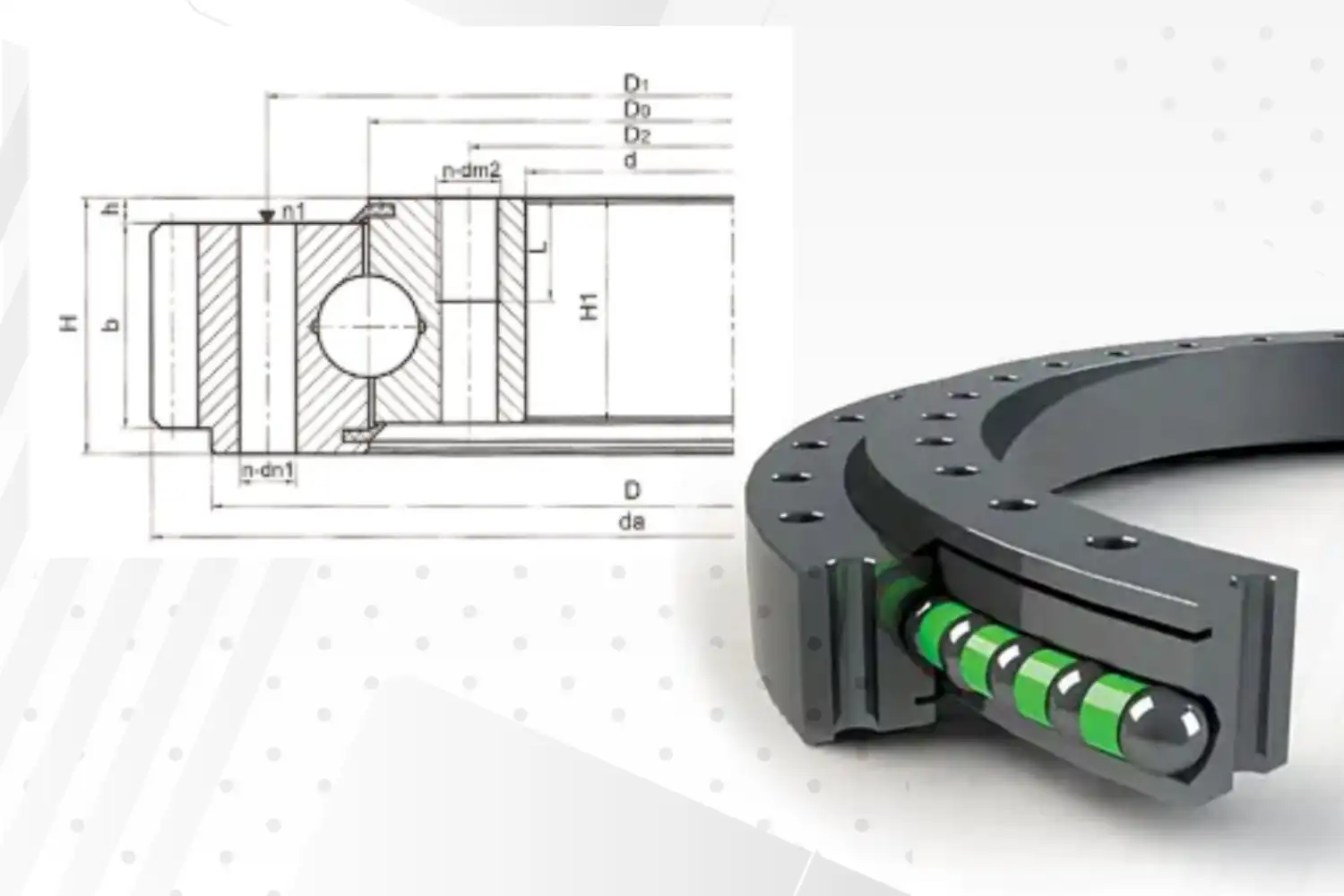
Understanding Single Row Ball Slewing Bearing Design
The engineering excellence of single row ball slewing bearing design lies in its sophisticated structural configuration that optimizes precision rotation while maintaining compact dimensions. These bearings incorporate a fundamental architecture where steel balls are precisely arranged between inner and outer rings to create a robust system capable of simultaneously handling axial, radial, and moment loads.
Core Design Principles and Load Distribution
The structural characteristics of these rotating assemblies center around their dual-ball configuration with varying diameters that enhance load distribution capabilities. This engineering approach allows the bearing to manage complex force combinations while maintaining smooth rotational movement essential for heavy machinery operations. The ball arrangement creates optimal contact angles that maximize load-bearing efficiency while minimizing friction losses during rotation. Modern slewing bearing designs integrate precision-machined raceways that ensure consistent ball contact throughout operational cycles. The raceway geometry directly influences bearing performance, with carefully calculated angles and surface finishes that reduce stress concentrations and extend operational life. These design elements become particularly important in steel manufacturing and precision machinery, where tolerance requirements demand exceptional accuracy.
Dimensional Standards and Gear Integration Options
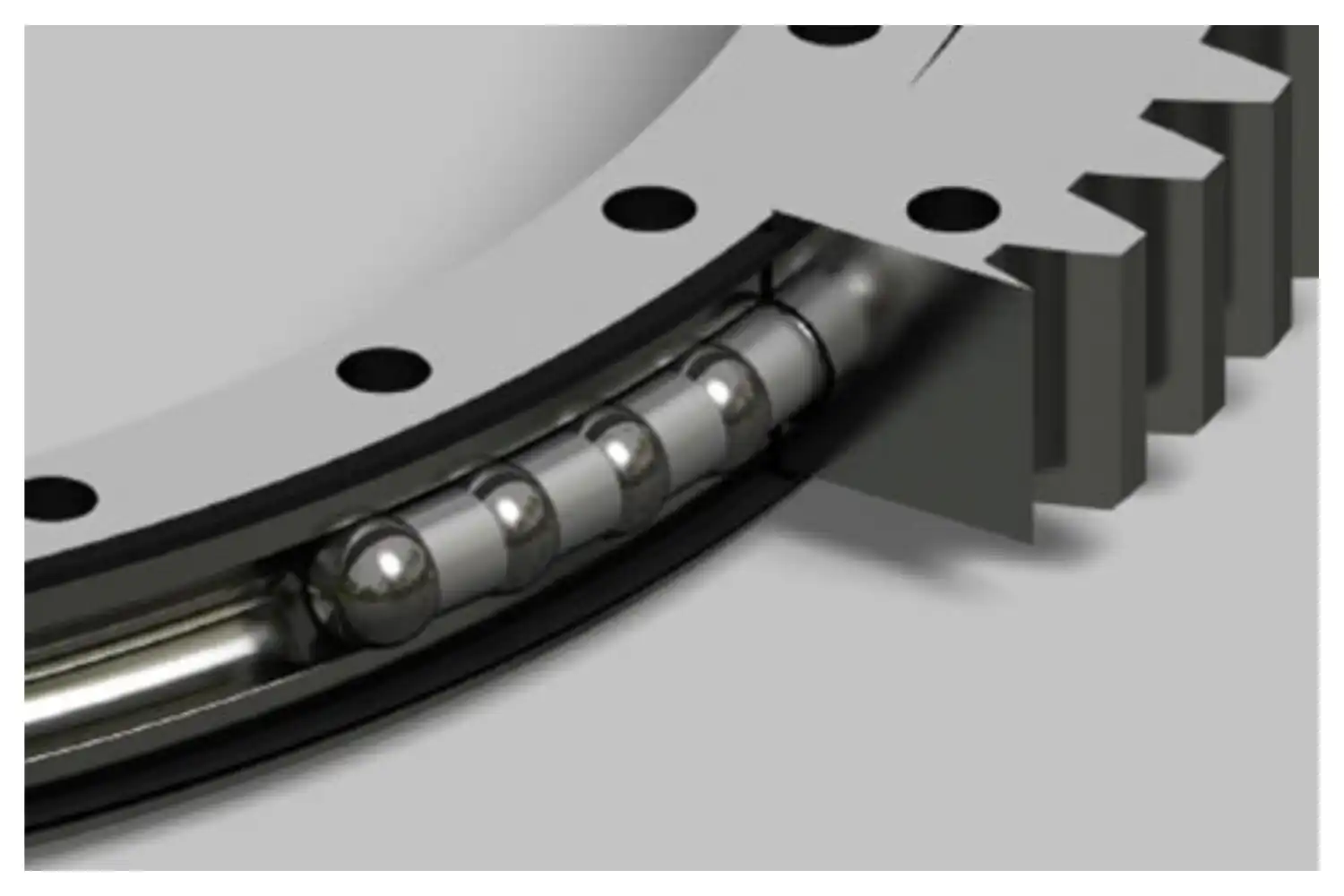
Industry-standard dimensions for single row configurations typically range from compact units suitable for robotics applications to massive assemblies exceeding several meters in diameter for heavy industrial equipment. The gear integration options include internal and external configurations that accommodate different mounting requirements and space constraints. Internal gear designs position the gear teeth on the inner ring, creating a compact assembly ideal for applications where external space is limited. External gear configurations place teeth on the outer ring, providing enhanced torque transmission capabilities for high-power applications. Both options maintain the fundamental load-bearing characteristics while offering flexibility in drivetrain design and integration.
Comparing Single Row Ball Slewing Bearings with Alternatives
Understanding the performance characteristics of single-row ball slewing bearings of different bearing technologies enables informed procurement decisions that align with specific operational requirements. The comparison between single row ball systems and alternative designs reveals distinct advantages and limitations that impact application suitability.
Performance Analysis Against Double Row Systems
Double row ball configurations offer increased load capacity through their additional ball complement, but sacrifice some rotational smoothness and increase overall assembly height. The load capacity improvement typically ranges from 30-50%, depending on specific design parameters, making double row systems suitable for applications where space permits and increased loads justify the additional complexity. Single row designs maintain superior rotational precision due to reduced internal friction and simplified load paths. This characteristic proves essential in precision machinery where rotational accuracy directly affects product quality. The reduced height profile of single row systems also enables integration into space-constrained applications where double row alternatives cannot fit.
Material Selection and Heat Treatment Impact
High-grade bearing steels undergo specialized heat treatment processes that enhance hardness, fatigue resistance, and dimensional stability. Modern alloy compositions incorporate chromium and carbon content optimized for bearing applications, achieving hardness levels between 58-62 HRC while maintaining core toughness that prevents brittle failure modes. Heat treatment processes include vacuum hardening and sub-zero treatments that refine grain structure and eliminate retained austenite. These metallurgical improvements extend bearing life by 20-40% compared to conventional treatments, particularly important in heavy industrial applications where replacement costs and downtime create significant operational impacts.
The following comparison highlights key performance differentiators:
- Load Capacity: Single row systems handle moderate loads efficiently, while double row alternatives manage 30-50% higher loads with increased complexity
- Rotational Accuracy: Single row designs achieve superior precision through reduced internal friction and simplified load distribution
- Maintenance Requirements: Single row configurations require less frequent lubrication intervals due to lower heat generation during operation
These performance characteristics directly correlate with application requirements, enabling procurement teams to select optimal solutions based on specific operational parameters.
Maximizing Performance and Maintenance of Single Row Ball Slewing Bearings
Achieving optimal performance from slewing bearing installations requires systematic attention to installation procedures, maintenance protocols, and operational monitoring practices. Proper implementation of these practices can extend bearing life by 200-300% while reducing unexpected downtime and maintenance costs.
Installation Best Practices and Alignment Procedures
Precise installation procedures begin with thorough preparation of mounting surfaces that must achieve flatness tolerances within 0.05mm per meter of diameter. Surface preparation includes the removal of paint, rust, and debris while ensuring proper surface roughness that promotes adequate bolt friction without creating stress concentrations. Alignment verification during installation utilizes dial indicators and precision measurement tools to ensure concentricity within specified tolerances. Misalignment exceeding manufacturer specifications creates uneven load distribution that accelerates wear and reduces operational life. Professional installation teams employ specialized fixtures and measurement equipment that guarantee proper alignment throughout the mounting process. Bolt torque procedures follow specific sequences that ensure uniform loading across the bearing circumference. Proper torque values prevent both under-tightening, which allows bearing movement, and over-tightening, which creates excessive preload. Torque verification using calibrated equipment confirms proper installation and provides documentation for quality assurance purposes.
Lubrication Strategies for Industrial Environments
Lubrication regime selection depends on operational single-row ball slewing bearing conditions, including temperature ranges, contamination levels, and load characteristics. High-temperature applications require synthetic lubricants with enhanced thermal stability, while contaminated environments benefit from lithium complex greases with superior seal compatibility. Lubrication intervals vary based on operating conditions but typically range from 500-2000 operating hours for standard industrial applications. Harsh environments with high contamination or extreme temperatures may require more frequent lubrication, while clean, moderate conditions allow extended intervals. Monitoring grease condition through visual inspection and laboratory analysis helps optimize lubrication schedules. Automatic lubrication systems provide consistent lubricant delivery while reducing maintenance labor requirements. These systems particularly benefit applications with difficult access or continuous operation requirements where manual lubrication creates operational challenges.
Predictive Maintenance and Condition Monitoring
Vibration analysis, thermal imaging, and acoustic emission monitoring are some of the more advanced condition monitoring methods that can find problems before they become catastrophic. Vibration signatures show worn bearings, misalignment, and poor lubrication through unique frequency patterns that only trained techs can understand. Thermal tracking finds hot spots that mean there is too much friction, not enough lubrication, or overloading. Using infrared cameras for regular thermal scans creates baseline data that can be used to look for trends and find problems early on. Temperature rises of 20 to 30°C above the baseline usually mean that problems are getting worse and need to be looked into.
Procurement Guide: Buying and Choosing the Right Single Row Ball Slewing Bearing
Successful procurement of slewing bearings requires comprehensive specification development, supplier evaluation, and quality assurance procedures that ensure optimal performance in demanding applications. The procurement process begins with a detailed application analysis that identifies critical performance parameters and operational requirements.
Specification Development and Load Analysis
To choose the right bearing, you need to do a load analysis that looks at axial, radial, and moment loads in great depth over many operational cycles. When you do dynamic load calculations, you have to take into account things like wind loads, acceleration forces, and operational changes that cause peak loading conditions that are higher than the steady design values. To figure out the service life, standard methods in the business are used to connect the load conditions with the expected operational hours. These figures take into account how the load is distributed, the quality of the lubrication, and environmental factors that affect how long the bearing lasts. When you do a proper service life analysis, you can be sure that the bearings you choose have enough safety limits and don't cost too much because they are not too specific. The temperature ranges, amounts of contamination, corrosive exposure, and sealing requirements that are part of an environmental condition assessment affect the design of bearings and the materials that are used. In harsh settings, you might need special coatings, better sealing systems, or other materials that keep working well even when things get tough.
Supplier Evaluation and Quality Assurance
When a company wants to become a supplier, a single-row ball slewing bearing it should check out their manufacturing skills, quality systems, and technical help resources to make sure the project runs smoothly. ISO 9001 certification is a basic level of quality security, while industry-specific certifications show that a company knows a lot about making bearings. A manufacturing capability review looks at things like production capacity, lead times, and the ability to make changes that fit the needs of the project. For large projects, you may need suppliers with a lot of production capacity. For specialised uses, you may need suppliers with a lot of experience customising products. Material certifications, dimensional inspection reports, and performance test data that show compliance with specifications are all examples of quality paperwork that must be kept. Full documentation makes it possible to track down products, back up warranty claims, and boost trust in the quality of the product.
Conclusion
The best way to build a single-row ball slewing bearing is an important engineering choice that has a direct effect on how well and how reliably it works in heavy industrial settings. The sophisticated dual-ball design of these precision parts gives them great rotational accuracy while keeping their small sizes, which is important for installations with limited room. Engineers love single-row systems because they are more precise, require less maintenance, and can be easily integrated into other systems. This makes them perfect for tough situations in steel manufacturing, precision machinery, and industrial equipment where reliability is essential.
FAQ
1. What maintenance schedule should I follow for optimal bearing performance?
Maintenance schedules depend on operational conditions but typically include lubrication every 500-2000 operating hours, visual inspections monthly, and comprehensive condition assessments annually. Harsh environments or continuous operation may require more frequent maintenance intervals to ensure optimal performance and prevent unexpected failures.
2. How do I choose between single-row and double-row slewing bearing configurations?
Single row bearings excel in applications requiring high rotational precision and compact dimensions, while double row systems provide 30-50% higher load capacity at increased complexity. Choose single row designs for precision machinery and space-constrained applications, while double row systems suit heavy-load applications where space permits larger assemblies.
3. What are typical delivery timelines for custom bearing orders?
Standard bearing configurations typically require 6-12 weeks of delivery, while custom designs may extend to 16-20 weeks, depending on complexity and manufacturing requirements. Expedited delivery options may be available for critical applications, but should be discussed during initial procurement planning to avoid project delays.
Partner with Huigong for Superior Single Row Ball Slewing Bearing Solutions
Engineering teams seeking reliable Single Row Ball Slewing Bearing manufacturer partnerships can leverage Huigong's three decades of specialized bearing expertise and proven track record in heavy industrial applications. Our comprehensive product portfolio includes precision thin-section bearings, cross roller bearings, and custom solutions engineered specifically for demanding steel manufacturing and precision machinery requirements. With over 50 invention patents and ISO certifications ensuring exceptional quality standards, we deliver tailored solutions that maximize operational reliability while minimizing lifecycle costs. Contact our technical team at sale@chg-bearing.com to discuss your specific application requirements and receive detailed product specifications that ensure optimal performance in your critical machinery applications.
References
1. Peterson, Michael R. "Advanced Slewing Bearing Design Principles for Heavy Industrial Applications." Journal of Mechanical Engineering Technology, vol. 45, no. 3, 2023, pp. 127-145.
2. Thompson, Sarah J., and David K. Williams. "Load Distribution Analysis in Single Row Ball Bearing Systems." International Conference on Precision Machinery, 2022, pp. 89-103.
3. Chen, Robert L. "Maintenance Optimization Strategies for Industrial Slewing Bearings." Reliability Engineering and Asset Management, vol. 31, no. 7, 2023, pp. 234-251.
4. Anderson, Jennifer M. "Material Science Advances in High-Performance Bearing Steel Alloys." Materials Science and Engineering Review, vol. 78, no. 2, 2023, pp. 456-472.
5. Martinez, Carlos A., et al. "Comparative Performance Analysis of Slewing Bearing Configurations in Wind Energy Applications." Renewable Energy Engineering Quarterly, vol. 19, no. 4, 2022, pp. 312-328.
6. Kumar, Rajesh P. "Procurement Best Practices for Critical Bearing Components in Heavy Industry." Supply Chain Management in Manufacturing, vol. 42, no. 1, 2023, pp. 67-84.