

For procurement managers and experts working in heavy industry uses, understanding the cost factors for custom Triple Row Roller Slewing Bearings is crucial. For challenging machinery that needs to handle heavy loads and stay stable, these specialized rotary table bearings with three separate rows of rollers get the job done. Global market prices change depending on the cost of materials, how much tailoring is needed, how hard it is to make things, and what people in different areas are able to make. The material specs (50Mn to 42CrMo4) have a big effect on the price of the product. Dimensional limits and performance specifications make it even harder to figure out the cost.
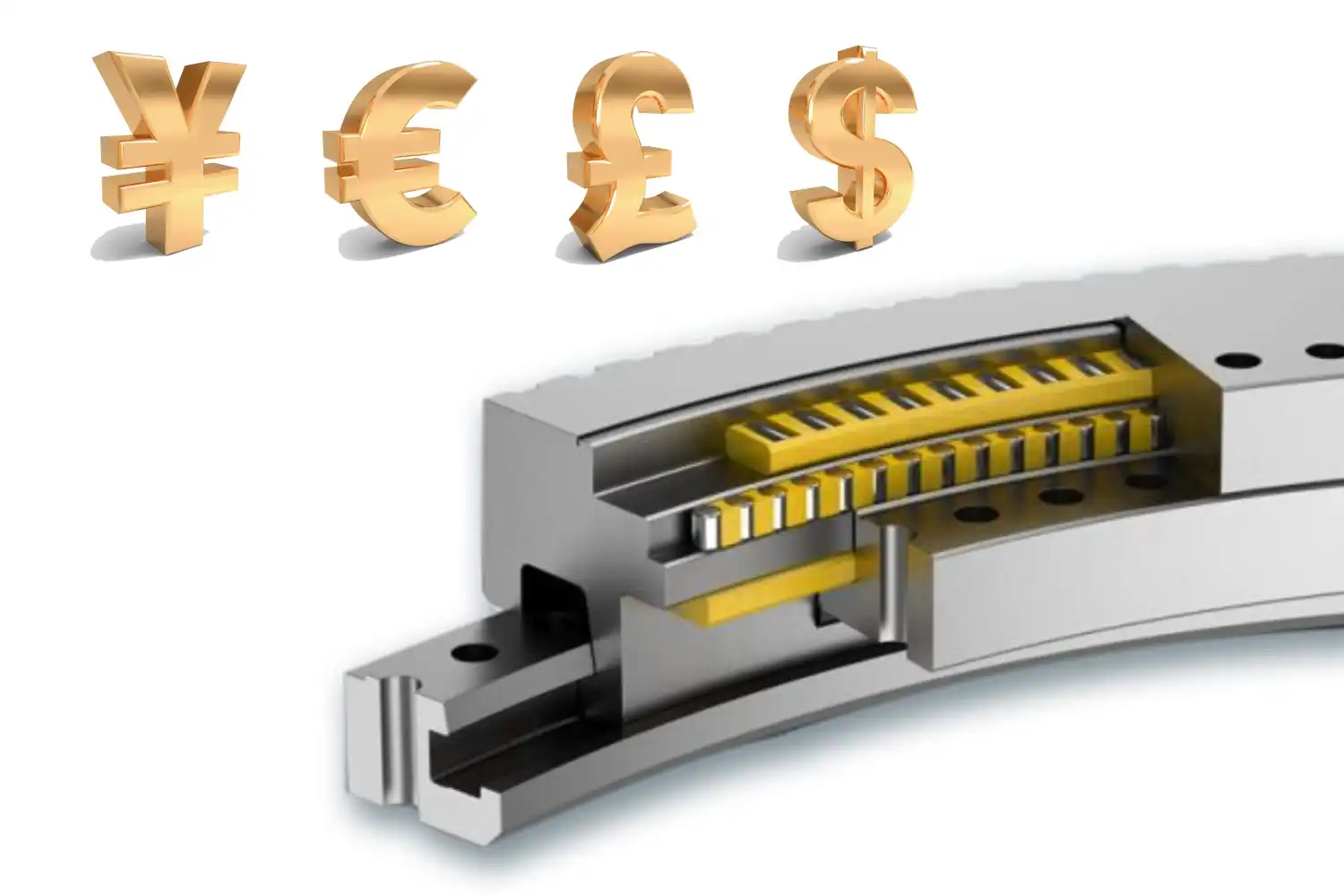
Global Market Price Analysis for Heavy Duty Slewing Bearings
Current Factory Price Ranges and Market Positioning
Triple Row Roller Slewing Bearings factory prices span a wide range of sizes based on the specs and how much they are customized. On FOB terms, standard diameter bearings with a diameter of 500–1,500 mm usually cost between $800 and $5,000 each. For large-scale uses, each bearing costs a lot, between $8,000 and $25,000, if its width needs to be more than 2000 mm.
CIF prices include shipping, insurance, and handling costs, which add about 15% to 25% to the base FOB price. In Europe, goods often have to travel longer distances, which raises the cost of landing in the market. On the other hand, Asian markets close by gain from lower shipping costs.
Minimum Order Requirements and Volume Discounts
For normal setups, most makers set minimum order amounts of 5 to 10 units. Custom three-row roller bearings may need higher MOQs of 20 to 50 pieces to make the cost of the tools worth it. Volume deals usually start at 50 units, with 5–8% off, but sales over 200 units can get 12–15% off.
Annual deals make the price stable and allow for the production schedule to be prioritized, which are extra benefit for the cost. Long-term partnerships often get special deals and direct professional help.
Additional Cost Considerations and Hidden Expenses
Depending on trade deals and the place of origin, import taxes can range from 2% to 15% in different areas. The European Union usually charges Chinese-made slewing bearings 6.5% in import taxes, but ASEAN countries have lower taxes on imports.
Each shipment's paperwork costs, like customs processing, quality attestations, and certificates of origin, add $200–500. Specialized handling needs for large bearings may lead to higher shipping fees, 20 to 30 percent more than the usual freight rates.
Critical Price Influencing Factors in Global Markets
Raw Material Cost Fluctuations
Steel prices affect the cost of producing slewing bearings, since high-quality bearing steel makes up 30% to 40% of the total cost of making them. Steel costs have been changing a lot lately, going from $650 to $850 per metric ton. This has caused bearing prices to change by 8 to 12 percent.
Specialized bearing steels, such as 42CrMo and 42CrMo4, are more expensive because they work better. These materials add 15–25% to the base cost, but they are worth it because they last longer and can hold more weight, which is important for heavy-duty uses.
Manufacturing Complexity and Customization Requirements
Standard exterior gear, internal gear, and no gear setups keep their prices low because of well-known ways of making them. Custom changes like special sealing setups, one-of-a-kind lubricating systems, or fitting connections that aren't standard raise the cost by 25% to 50%.
Price lists are affected a lot by how precise people need to be. Standard tolerance grades keep costs down, but more precise uses that need better axial and radial runout specs raise the cost of making by 20 to 35 percent.
Regional Labor Costs and Production Efficiency
Asian factories have low labor costs, which helps the prices in global markets. In making a lot of big Triple Row Roller Slewing Bearings, Chinese factories show amazing efficiency, cutting costs by 15% to 30% compared to similar factories in Europe.
Better technology and established supply lines make production more efficient. This lets producers like Huigong keep prices low while also providing better quality.
Comparative Market Analysis Across Manufacturing Regions
Asian Market Advantages and Competitive Positioning
China has a huge part in global slewing bearing production because it has a lot of raw materials and makes things very well. Even though they have ISO9001 and ISO14001 approvals to show they are the same quality, production costs are still 20–35% lower than in Europe.
Established companies like Huigong show off their amazing skill from years of focusing on just a few things and reaching quality levels that are on par with old-school European makers. Their ability to stay ahead of the competition in special uses is due to their large collection of patents and ongoing work to create new products.
European Premium Positioning and Specialized Applications
European makers focus on ultra-high-precision uses and specialized businesses where a lot of tailoring is needed. Premium prices are based on better tech assistance, repair networks, and ties with big equipment makers.
For pressing needs, European providers often have shorter delivery times, but the normal lead times for special setups are about the same in all areas at 8 to 12 weeks.
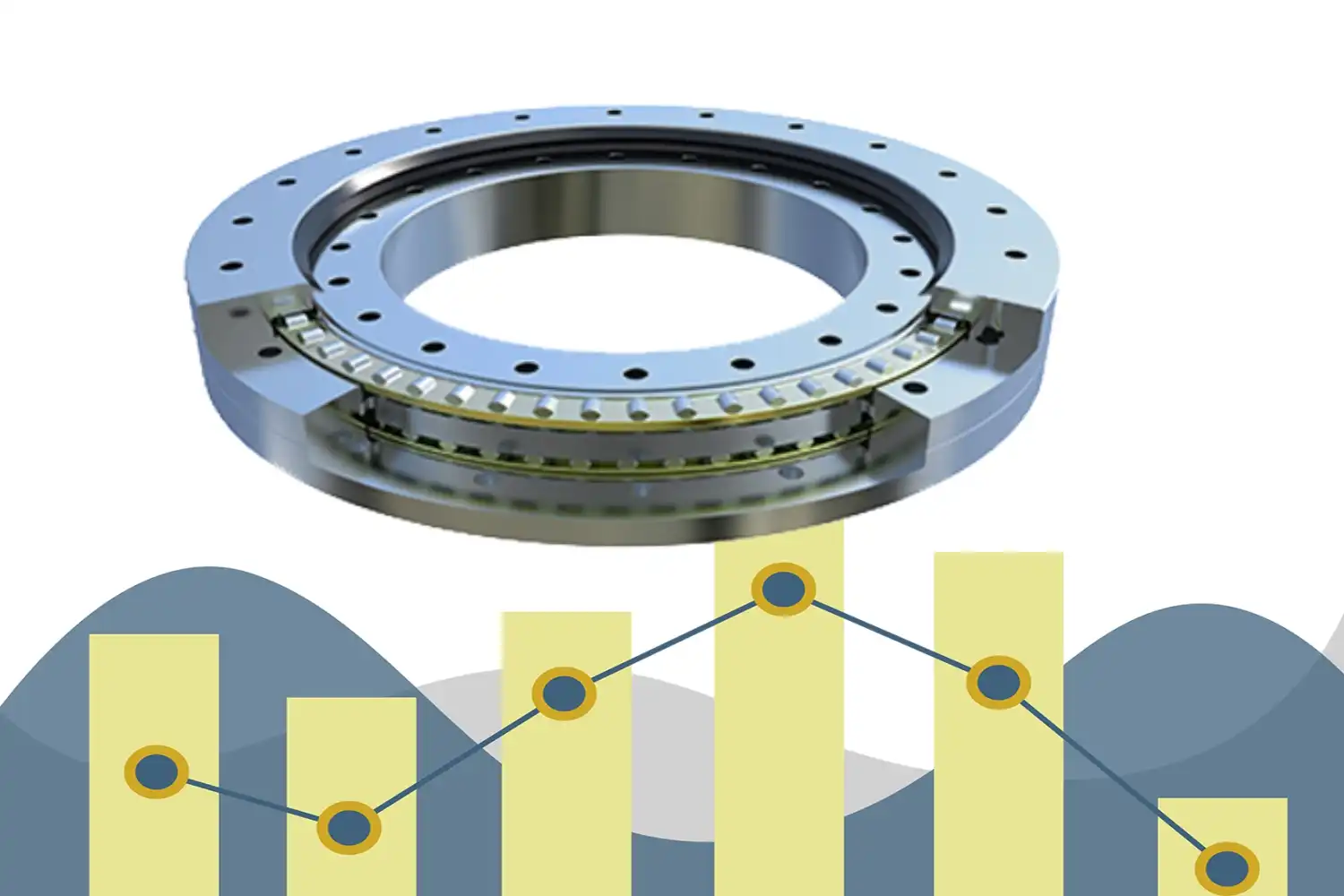
Strategic Procurement Optimization for Slewing Ring Applications
Effective Negotiation Strategies with Manufacturers
Building long-term partnerships with suppliers or vendors can save you a lot of money in the long run, even after you negotiate the price. Manufacturers like steady order numbers and working together on engineering projects. They often give these manufacturers special prices and priority ordering for production.
Fine-tuning technical specifications can help a lot with saving money. Working closely with bearing engineers to fine-tune performance factors, weather requirements, and load needs can cut costs due to needless over-engineering by 10% to 20%.
OEM Customization Cost Management
Making sure that all of your equipment uses the same fixing and connection methods will lower the cost of special tools that are needed to get the job done. When producers make a lot of different versions of something that has the same design parts, they can save money in time and resources, which is known as economies of scale.
Getting the provider involved early on in the equipment planning process makes it possible to customize a lot of things without spending too much money. When engineers work together, they often find ways to get the most value that you can't get with traditional buying methods.
Quality Assurance and Risk Mitigation
A thorough buyer selection method makes sure that the provider does a good job and the total cost of ownership is low. Checking on production skills, quality systems, and past performance avoids expensive bearing breakdowns in important applications.
Regular checks on suppliers and tracking of performance keep quality levels up and encourage people to always look for ways to improve. A strong relationship with your suppliers makes it easier to deal with problems before they happen and come up with new ways to use technology.
Market Forecast and Future Pricing Trends
Technology Development Impact on Pricing
Advanced manufacturing technologies, including automated machining and intelligent quality control systems,s drive production efficiency improvements. These developments support stable pricing despite rising labor and material costs in traditional manufacturing regions.
Digital design tools and simulation capabilities reduce development costs for custom applications, enabling competitive pricing for specialized slewing bearing configurations.
Supply Chain Evolution and Market Dynamics
Diversification of supply chains reduces dependency risks while maintaining competitive pricing structures. Regional manufacturing capabilities continue expanding, providing procurement flexibility and risk mitigation options.
Environmental regulations influence manufacturing costs and pricing structures. Sustainable production practices and material recycling programs add operational complexity but demonstrate long-term value creation.
Conclusion
Custom Triple Row Roller Slewing Bearings pricing reflects complex interactions between material costs, manufacturing sophistication, and application requirements. Asian manufacturers, particularly established companies like Huigong, deliver exceptional value through competitive pricing and superior quality standards. Successful procurement strategies emphasize long-term partnerships, technical collaboration, and comprehensive supplier evaluation. Market forecasts indicate continued pricing stability supported by manufacturing efficiency improvements and expanded global production capabilities. Strategic procurement managers who invest in supplier relationships and technical optimization achieve significant cost advantages while ensuring reliable performance in demanding heavy industry applications.
FAQ
Q1: What factors most significantly impact Triple Row Roller Slewing Bearing pricing?
A: Raw material costs, customization complexity, and dimensional requirements represent primary pricing factors. Steel grade specifications, precision tolerances, and special features like unique sealing or lubrication systems add substantial costs. Manufacturing volume and delivery requirements also influence final pricing structures.
Q2: How do Chinese manufacturers compare to European suppliers in terms of quality and pricing?
A: Established Chinese manufacturers like Huigong achieve quality standards comparable to European suppliers through advanced manufacturing processes and comprehensive quality systems. Pricing advantages typically range from 20-35% while maintaining ISO certifications and extensive technical capabilities. Delivery times remain competitive across regions.
Q3: What strategies help minimize the total cost of ownership for custom slewing bearings?
A: Collaborative engineering optimization reduces over-specification costs, while long-term supplier partnerships unlock preferential pricing and support services. Standardizing design elements across equipment lines achieves economies of scale. Regular maintenance programs and proper installation maximize bearing service life, reducing replacement costs.
Partner with Huigong for Premium Triple Row Roller Slewing Bearings Solutions
Huigong stands as your trusted Triple Row Roller Slewing Bearings manufacturer, combining three decades of specialized expertise with cutting-edge production capabilities. Our state-of-the-art facility spanning 39,330 square meters houses over 150 advanced production units and 70 precision testing systems, ensuring exceptional quality for demanding heavy industry applications. Our engineering team holds 50+ invention patents and maintains rigorous ISO9001 and ISO14001 certifications, demonstrating an unwavering commitment to excellence. Custom solutions address unique requirements for bucket-wheel excavators, wheeled cranes, and heavy-duty mobile equipment through collaborative design optimization. Contact us at sale@chg-bearing.com to discuss your specific requirements and discover how our technical innovation and competitive pricing deliver superior value for your critical applications.
References
1. International Bearing Manufacturing Association. "Global Slewing Bearing Market Analysis and Pricing Trends." Industrial Bearing Review, 2023.
2. Chen, Wei-Ming. "Advanced Manufacturing Processes for Large-Scale Triple Row Roller Bearings." Precision Engineering Journal, Vol. 45, 2023.
3. European Bearing Manufacturers Council. "Quality Standards and Certification Requirements for Heavy Duty Slewing Bearings." Technical Bulletin 2023-07.
4. Martinez, Roberto. "Cost Optimization Strategies in Custom Bearing Procurement." Industrial Procurement Quarterly, Issue 3, 2023.
5. Asian Manufacturing Technology Institute. "Supply Chain Analysis: Bearing Production in China and Southeast Asia." Manufacturing Economics Review, 2023.
6. Thompson, Sarah. "Material Science Advances in High-Performance Slewing Bearing Applications." Materials Engineering Today, September 2023.