

Single Row Tapered Roller Bearing Selection Guide for OEMs
OEMs need to think about the unique benefits of Single Row Tapered Roller Bearing technology when they are looking for the best bearings for big industrial uses. These precision-engineered parts are great at handling radial and axial loads together, which is why rolling mills, big machine tool spindles, and power transmission systems can't work without them. These bearings are made from high-quality materials like GCr15 and GCr15SiMn and have inner diameters that range from 150mm to 950mm. They are very reliable in harsh settings. This detailed guide gives purchasing managers and engineers the information they need to make smart choices that improve the performance of equipment and make sure that sourcing methods are cost-effective.
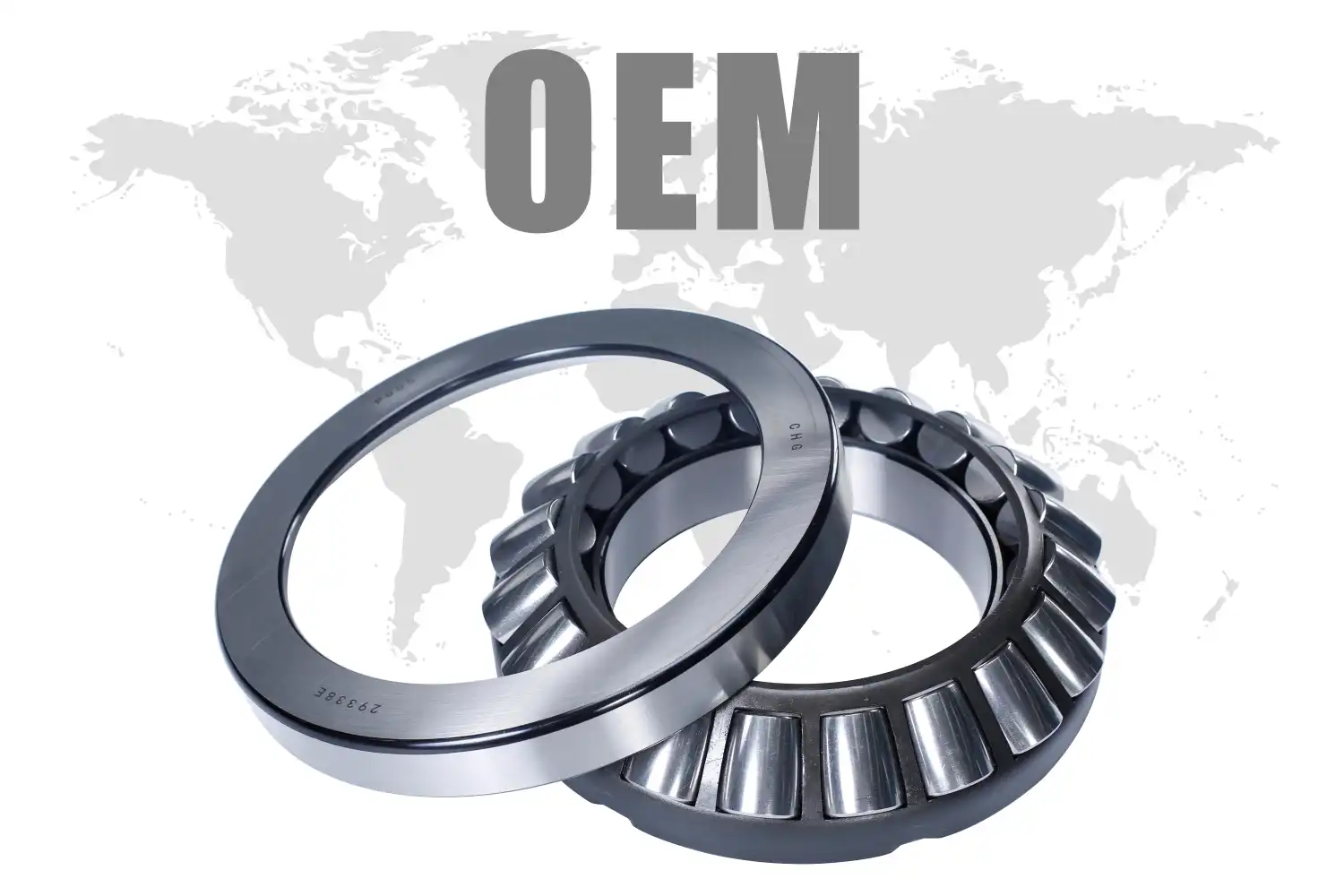
Understanding Single Row Tapered Roller Bearings: Design and Functionality
For big machinery, single-row tapered roller bearings are high-tech engineering solutions made to handle the complicated load needs of those machines. The basic design has tapered inner and outer ring raceways that are paired with conical rollers that make the best contact shape for spreading load.
Advanced Design Architecture
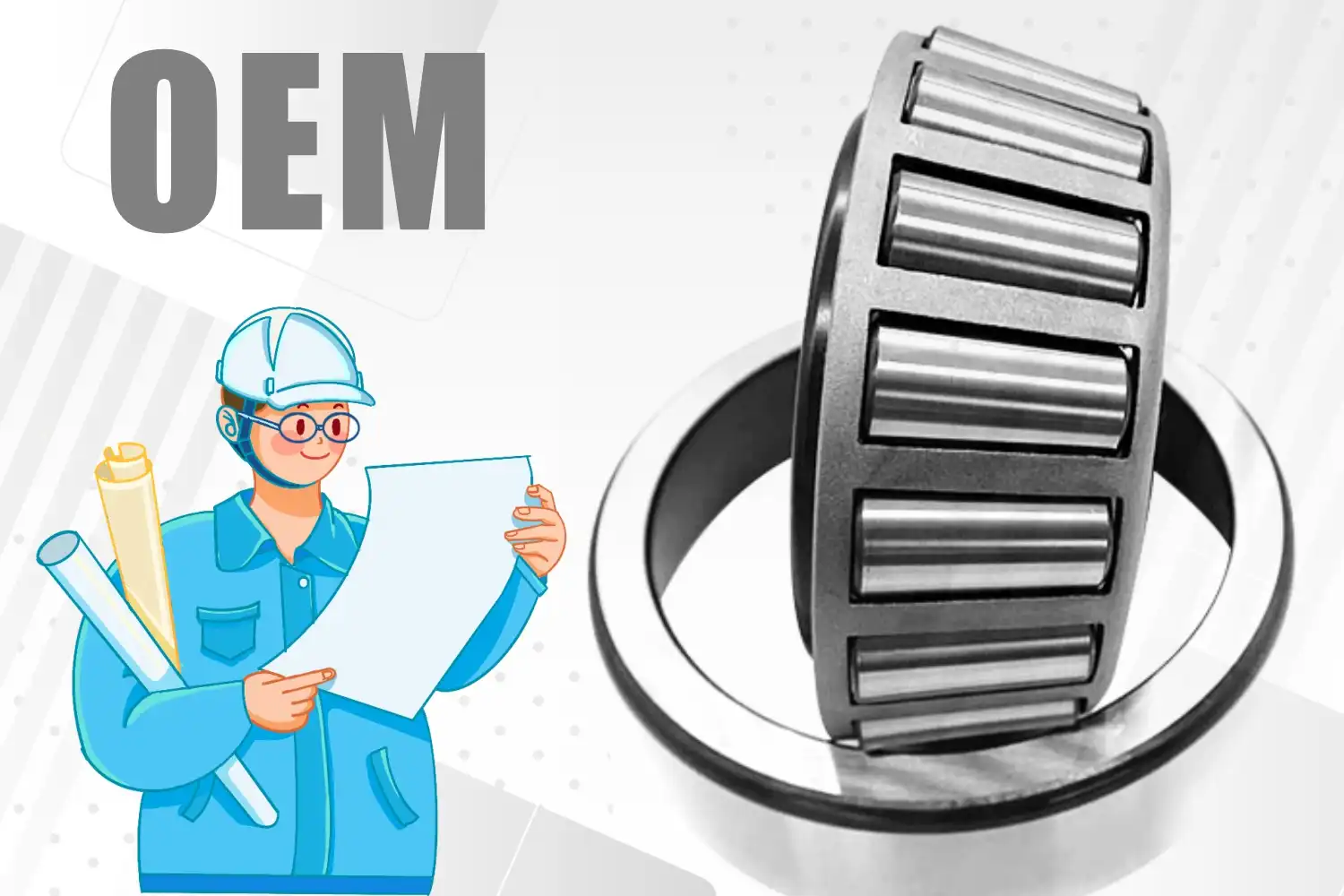
Because they are tapered, these bearings can handle mixed loads well, with radial loads being the main type of load. The special design makes sure that the wheel elements only touch the raceways in one place. This greatly reduces friction while increasing load capacity. In situations where strong radial support is needed along with modest axial loading, this configuration works especially well. The internal geometry of the bearing makes it possible to precisely optimise the load line. When installed correctly, the tapered surfaces make a convergent load path that spreads forces evenly along the length of the roller. This makes it more stable in use and extends its useful life in tough situations.
Material Excellence and Durability
High-performance materials are what make tapered roller bearings work reliably. Some types of premium steel, like GCr15, GCr15SiMn, and G20Cr2Ni4A, have great mechanical qualities that are needed for heavy-duty uses. These materials go through a lot of difficult heat treatments to get the best hardness profiles while keeping their shape during thermal cycles. The choice of material has a direct effect on how well the bearing works in tough industrial settings. GCr15 steel is very strong and doesn't wear down easily. GCr15SiMn steel, on the other hand, is better at resisting fatigue in high-stress situations. When it comes to shock loading conditions that are widespread in mining and the metals industry, G20Cr2Ni4A is the best.
Load Management Capabilities
When both horizontal and axial forces are present, these bearings do a great job of handling the load. With the tapered angle setup, you can customise how the load is handled. Standard angles are best for radial loads, while larger angles (27°–30°) are made for situations with a lot of axial loading.
Comparing Single Row Tapered Roller Bearings with Other Bearing Types
Understanding the performance distinctions between different Single Row Tapered Roller Bearing bearing technologies enables informed selection decisions that optimize equipment reliability and operational efficiency. Each bearing type offers specific advantages depending on application requirements and loading conditions.
Performance Comparison with Ball Bearings
Ball bearings excel in high-speed applications with moderate loading, while tapered roller bearings provide superior load capacity and stiffness. The line contact between rollers and raceways in tapered roller bearings distributes loads more effectively than the point contact in ball bearings, resulting in higher load ratings and enhanced durability under heavy loading conditions. Speed capabilities differ significantly between these technologies. Ball bearings accommodate higher rotational speeds due to lower rolling resistance, whereas tapered roller bearings optimize load capacity at moderate speeds typical of heavy machinery applications.
Single Row versus Double Row Configurations
Single row tapered roller bearings offer cost-effective solutions for applications requiring combined load support with simplified mounting arrangements. Double row configurations provide increased load capacity and enhanced stiffness but require more complex installation procedures and a higher initial investment. The selection between single and double row designs depends on space constraints, load requirements, and economic considerations. Single row bearings accommodate axial displacement and thermal expansion more readily, making them suitable for applications with significant thermal cycling.
Brand Performance Analysis
Leading manufacturers, including SKF, Timken, NSK, FAG, and NTN, each offer distinct advantages in bearing technology and manufacturing capabilities. SKF emphasizes advanced materials and precision manufacturing, while Timken specializes in tapered roller bearing innovation with extensive application engineering support. Quality assessment involves evaluating manufacturing precision, material consistency, and application-specific performance characteristics. Established brands typically provide comprehensive technical documentation and application engineering support, facilitating optimal bearing selection and installation practices.
Criteria and Best Practices for Choosing Single Row Tapered Roller Bearings
Effective bearing selection requires systematic evaluation of operational parameters, environmental conditions, and performance requirements. The decision process involves balancing technical specifications with economic considerations to achieve optimal equipment reliability.
Load Rating Analysis
Dynamic load ratings indicate the bearing's capacity to handle varying load conditions over extended operating periods. Static load ratings define maximum allowable loads during stationary or slow-speed operation. These parameters must align with actual application loading to ensure adequate safety margins and extended service life. Load calculations should Single Row Tapered Roller Bearing consider peak operating conditions, shock loading events, and potential overload scenarios. Safety factors typically range from 1.5 to 3.0, depending on application criticality and operating environment severity.
Speed Limitations and Operating Parameters
Rotational speed capabilities depend on bearing size, lubrication methods, and thermal management systems. Large diameter bearings typically operate at lower speeds due to peripheral velocity limitations and heat generation considerations. Operating temperature ranges affect material properties and lubrication performance. High-temperature applications may require specialized materials and lubrication systems to maintain acceptable performance levels throughout the operational envelope.
Material Selection Criteria
Material properties must match application-specific requirements, including corrosion resistance, temperature stability, and mechanical strength. Standard bearing steels provide excellent performance in most industrial applications, while specialized materials address extreme operating conditions. Heat treatment specifications ensure optimal hardness distribution and residual stress patterns. Proper material selection contributes significantly to bearing longevity and operational reliability in demanding environments.
Certification and Quality Assurance
Authentic bearings from reputable manufacturers undergo rigorous quality control processes and meet international standards, including ISO 492 and ABMA standards. Proper certification documentation provides traceability and performance validation essential for critical applications. Counterfeit bearing avoidance requires careful supplier verification and documentation review. Authorized distributors provide genuine products with manufacturer support and warranty coverage, ensuring long-term operational success.
Troubleshooting and Maintenance Tips for Single Row Tapered Roller Bearings
Proactive maintenance strategies and effective troubleshooting procedures maximize bearing service life while minimizing unexpected downtime. Understanding common failure modes enables early detection and corrective action before catastrophic failure occurs.
Common Problem Identification
Noise patterns that aren't standard are often a sign of developing Single Row Tapered Roller Bearing bearing problems, such as not enough lubrication, contamination, or too much load. Vibration analysis lets you know early on when a bearing is wearing out and plan routine repair. Temperature tracking shows problems with lubrication, overloading, or mounting that affect how well the bearing works. Trending temperature data helps find small signs of damage before they get worse.
Lubrication Best Practices
The right lubricant to use relies on the speed, temperature, and environmental conditions of the machine. Most situations can be lubricated with grease, and it should be re-oiled on a regular basis based on the hours and conditions of use. For high-speed or ongoing operation tasks, oil lubrication systems are the best way to get rid of heat and keep contaminants from getting in. Filtration systems keep oil clean and increase the time between cleaning services.
Installation and Handling Guidelines
The best performance of the bearing is guaranteed by following the right fitting steps. When mounting something, it's important to use the right heating methods, check the alignment, and change the preload according to the manufacturer's instructions. How the bearings are stored affects their quality before they are installed. Corrosion and pollution that could hurt performance are stopped in clean, dry places with the right temperature control.
Navigating Procurement: How to Source Quality Single Row Tapered Roller Bearings Effectively
Strategic methods for buying things make sure that you can get high-quality Single Row Tapered Roller Bearing while also lowering the total cost of ownership. Evaluating suppliers and managing relationships with them are very important for long-term business success and supply chain stability.
Supplier Evaluation Strategies
Suppliers who are qualified show that they have the manufacturing skills, quality systems, and technical support resources that are needed for tough industrial uses. ISO certification and qualifications specific to the business give buyers confidence in the supplier's skills and dedication to quality. Geographic distribution networks make it possible to provide quick help and lower the cost of transportation. When operational problems happen, being able to get help with application engineering and quickly fixing problems is made possible by local expert support.
Order Management Considerations
Minimum order quantities have an impact on the economics of buying single-row tapered roller bearings and on how to handle inventory. Buying in bulk can save you money and make sure you have enough stock for upkeep and replacement needs in case of an emergency. Managing lead times means balancing the prices of inventory with the risk of running out of stock. Standard sizes can use just-in-time procurement methods, while critical bearing sizes may need to keep extras on hand.
Cost-Benefit Analysis
The initial buy price, installation costs, maintenance needs, and operational reliability factors are all part of the total cost of ownership. Most of the time, premium bearings are a better deal because they last longer and need less maintenance. Performance requirements should match the performance requirements so that costs are kept low, and there are enough performance margins for stable operation.
Conclusion
OEMs who need reliable performance under mixed loading situations can't do without single row tapered roller bearings. As part of the selection process, design parameters, material specs, and operational needs are carefully looked over to make sure that the equipment works at its best. Effective buying strategies put a lot of emphasis on qualifying suppliers, making sure quality, and lowering total costs. By choosing, installing, and maintaining these bearings correctly, you can get a long life and depend on them to work reliably in tough industrial settings.
FAQ
1. What factors determine the lifespan of single-row tapered roller bearings?
Bearing lifespan depends on load conditions, lubrication quality, operating environment, and maintenance practices. Proper load calculations, adequate lubrication, contamination control, and regular monitoring significantly extend bearing life. Operating within manufacturer specifications and maintaining appropriate safety factors ensures reliable performance throughout the intended service period.
2. Can single-row tapered roller bearings operate effectively in high-speed applications?
These bearings accommodate moderate to high speeds depending on size and application requirements. Speed limitations increase with bearing diameter due to peripheral velocity constraints and thermal considerations. Proper lubrication systems and thermal management enable higher speed operation while maintaining acceptable performance levels.
3. When should OEMs choose tapered roller bearings over ball bearings?
Tapered roller bearings excel in applications requiring high load capacity, combined loading capability, and operational stiffness. Ball bearings suit high-speed applications with primarily radial loading and space constraints. The choice depends on specific load requirements, speed parameters, and application geometry constraints.
Partner with Huigong for Premium Single Row Tapered Roller Bearing Solutions
Huigong Bearing Technology delivers exceptional single-row tapered roller bearings engineered for demanding industrial applications. Our comprehensive product range spans inner diameters from 150-950mm, utilizing premium materials including GCr15, GCr15SiMn, and G20Cr2Ni4A to ensure superior performance in heavy-duty environments. With over 25 years of manufacturing excellence and more than 50 invention patents, we provide customized solutions for rolling mills, machine tool spindles, and power transmission systems. Contact our technical team at sale@chg-bearing.com to discuss your specific requirements and discover why leading OEMs worldwide trust Huigong as their preferred single row tapered roller bearing supplier.
References
1. Harris, T.A. and Kotzalas, M.N. "Advanced Concepts of Bearing Technology: Rolling Bearing Analysis." CRC Press, 2019.
2. Palmgren, A. "Ball and Roller Bearing Engineering: Tapered Roller Bearing Design Principles." Industrial Press, 2018.
3. International Organization for Standardization. "Rolling Bearings - Dynamic Load Ratings and Rating Life." ISO 281:2020.
4. American Bearing Manufacturers Association. "Tapered Roller Bearing Application Guidelines." ABMA Standards, 2021.
5. Eschmann, P., Hasbargen, L., and Weigand, K. "Ball and Roller Bearings: Theory, Design and Application for Industrial Machinery." John Wiley & Sons, 2020.
6. Society of Tribologists and Lubrication Engineers. "Bearing Lubrication and Maintenance Handbook for Industrial Applications." STLE Publications, 2019.