

When choosing the right thrust roller bearing for big industrial machinery, you need to carefully think about the load requirements, working conditions, and the needs of the individual application. When working in tough conditions, these special bearings do a great job of handling large axial forces while staying reliable. In steel making, rolling mills, and precise machinery, engineers and procurement managers have to look at a lot of things, like load capacity, weather conditions, and upkeep needs, to make sure that the machines work well and last a long time.
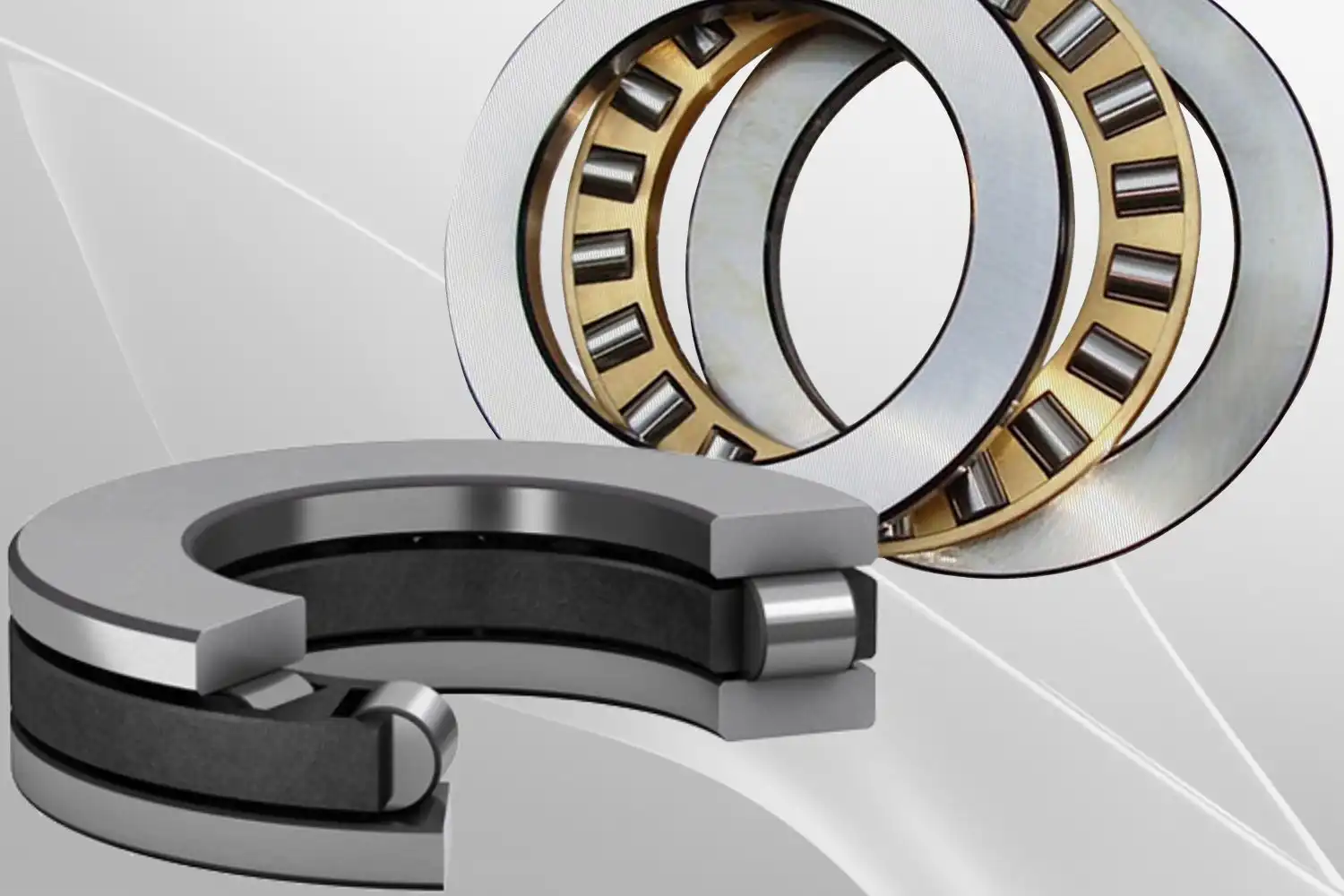
Understanding Thrust Roller Bearing Fundamentals
Thrust roller bearings are a special kind of mechanical part that is designed to handle heavy loads that run parallel to the shaft axis. These units are not like regular radial bearings because they are designed in a way that lets them handle heavy thrust forces while still allowing smooth circular movement. The basic structure has rolling elements that are placed to evenly spread axial loads across the bearing surfaces. Modern industrial uses need bearings that can work in harsh circumstances. Heavy machinery settings have problems like high temperatures, being exposed to dirt, and changing patterns of loads. Understanding these practical needs helps engineers choose the right bearing setups that will work reliably for long periods of time. Load distribution mechanics are an important part of the bearing selection process. To find the right load values and safety factors, axial forces that pass through shaft systems need to be carefully studied. Correct load estimates keep bearings from breaking down too soon and make sure they have enough performance gaps for tough jobs.
Types and Configurations Available
Cylindrical Thrust Roller Bearing has separate design benefits for both installation and upkeep. These units work great in situations where they need to handle a lot of weight and only one way of rotational force. The separate design lets you handle the bearing parts separately while putting the machine together or fixing it. However, differences in linear speed between the ends of the rollers cause controlled sliding on the raceways, which limits operating speeds compared to other designs. Tapered roller thrust bearings offer higher load capacities by improving the shape of the rollers and the way they touch the raceways. When compared to spherical options, the curved shape better spreads forces and can handle higher rotational loads. These bearings work better in building equipment and cars, where maximum load capacity is more important than speed requirements. Spherical roller thrust bearings can handle both axial loads and small-angle offset situations. When big machines are put together, the spherical roller design takes into account things like housing distortion and wheel bending. In situations where perfect alignment can't be kept throughout working cycles, this ability to self-align is very useful. Screw-down bearings have special designs made just for rolling mill uses. These units work with the mill's control systems immediately and handle horizontal loads well. Custom planning makes sure that the new equipment will work with the mill's current infrastructure while also improving its performance.
Critical Size Specifications and Load Ratings
In industrial machinery uses, large bearing diameters are usually needed to handle big loads. The inner sizes of standard designs range from 200mm to 380mm, and the outer diameters range from 400mm to 670mm. These measurements allow for big shaft groups that are common in steel production and heavy industrial settings. Weight becomes an important factor in choosing bearings and planning their installation. Units in this size range weigh between 75 kg and 274 kg, so they need to be lifted and installed with the right tools. The right way to handle things keeps them from getting damaged during shipping and assembly, and keeps workers safe during the installation process. When figuring out a load capacity, you have to take into account both static and dynamic loading conditions that happen during normal operations. When a machine starts up or shuts down, the peak loads often go over the steady-state values, so safety gaps need to be built into the choice of bearings. Dynamic load rates tell you how long a bearing should last in different working situations. Bearing clearance standards affect how loads are distributed and how the bearing works. The right spacing values allow for heat expansion while keeping the pressure evenly distributed across the rolling parts. Too much clearance can cause more shaking and less accuracy, while not enough clearance can cause binding and failure before its time.
Material Selection and Performance Characteristics
Thrust Roller Bearing steels like GCr15, GCr15SiMn, and G20Cr2Ni4A are very strong and last a long time, making them perfect for tough industrial uses. Specialized heat treatment methods are used on these materials to get the best strength and toughness. If you choose the right material, it will work reliably even when the weather and load change. The features of metals directly affect how long a bearing lasts and how well it works. The amount of carbon in a metal and how it is put together affect its hardness, resistance to wear, and strain strength. In modern steel formulations, there are elements that improve performance in harsh working conditions while keeping the same size throughout the service life. Finishing and surface treatments have a big impact on how well bearings work. Precision grinding and honing are used to get the surface quality that is needed, and special coats may be added to give extra protection against wear and rust. These methods make bearings last longer and require less upkeep in difficult working conditions. Throughout the manufacturing process, quality control measures make sure that the material traits and dimensions stay the same. Advanced testing methods check the makeup, strength, and structural stability of materials. These quality assurance methods make sure that bearings meet strict performance standards for important uses.
Cage Design and Lubrication Considerations
In heavy industrial settings, cylindrical roller thrust bearings usually come with solid bars that are made of metal and have been polished. These strong cage designs keep the rollers spaced out even when they're under a lot of stress from operation. When compared to pressed or molded options, machined construction is stronger and more stable in terms of size. Different cage materials, such as steel and brass, have different benefits for different uses. In high-loading situations, steel cages are the strongest, while brass cages may be better at cleaning in some settings. Custom cage designs can be used for special applications where standard setups don't work. The design of the lubrication system has a big effect on how well the bearings work and how long they last. When choosing the right oil, it's important to think about things like operating temperatures, load conditions, and external contamination. Good lubricants lower friction and protect against damage from wear and rust. Depending on the needs of the application, lubricants can be delivered in a number of ways, such as by using grease or flowing oil systems. Large industrial bearings often need circulation systems to control the amount of heat they produce and make sure they always have enough oil on them. Monitoring the lubrication properly stops breakdowns and improves the performance of bearings over their entire working life.
Application-Specific Selection Criteria
For rolling mill uses, there are special problems that need special bearing solutions. Continuous work with big loads requires the highest level of dependability and a longer service life. When it comes to supporting work roll systems, screw-down bearings work well with mill adjustment tools and fit in perfectly. Custom engineering makes sure that the new equipment will work with the existing mill infrastructure. Metallurgical equipment, like blast furnaces and steelmaking machines, works in very difficult conditions with high temperatures and lots of pollution. When choosing bearings, you have to think about things like temperature changes, toxic environments, and changing loads. During normal activities, mining equipment is subject to high shock loads and gritty contamination. Specialized closing arrangements protect internal components while keeping operating reliability. Equipment for moving materials, like crushers and rotating screens, needs bearings that can handle impact forces and keep working precisely. In these tough conditions, strong construction and good sealing keep things from breaking down too soon. Tight specs and little runout are needed for precision machinery uses. Highly accurate measurements are made possible by advanced manufacturing methods, and success is confirmed by specialized testing. In serious situations where changes in performance can't be accepted, these precision bearings allow for precise placement and smooth operation.
Installation and Maintenance Best Practices
For the best bearing function and service life, it is important to follow the right fitting steps. As part of surface preparation, the bearing seats and nearby parts are cleaned thoroughly to get rid of debris and leftover materials. Dimensional verification makes sure that the bearings fit and line up correctly before they are installed. To meet certain tolerances during the alignment process, precise measuring equipment is needed. When something isn't lined up right, the load is spread out unevenly, which can cause early wear and failure. Paying close attention to how the shaft and case are aligned can help avoid practical problems and extend the life of the bearings. To protect the bearings during assembly, special tools made just for them are used. Hydraulic assembly tools apply force in a controlled way, and temperature-controlled heating makes sure that the right amount of thermal expansion happens for interference fits. Choosing the right tools for the job protects the bearing surfaces and makes installation go more smoothly. Scheduling maintenance based on working conditions and load factors improves bearing performance and stops them from breaking down when they're least expected. Regular inspections check the state of the bearings, and greasing plans make sure that the right amount and quality of oil is always available. Predictive maintenance methods find problems that might happen before they become major problems.
Quality Assurance and Performance Verification
Advanced testing equipment, including coordinate measuring machines, metallographic microscopes, and roundness, Thrust Roller Bearing quality, and dimensional accuracy. These precision instruments detect manufacturing variations while ensuring compliance with specified tolerances. Comprehensive testing protocols validate performance capabilities before bearing delivery. Quality management systems ensure consistent manufacturing processes and reliable product performance. Statistical process control monitors production variables while traceability systems track materials and manufacturing history. These quality assurance measures guarantee that bearings meet stringent industrial requirements. Performance validation testing simulates actual operating conditions to verify bearing capabilities under representative loads and environmental conditions. Accelerated life testing predicts long-term performance while specialized testing evaluates resistance to various failure modes. These validation procedures ensure reliable performance throughoutthe expected service life. Certification processes verify compliance with international standards and industry specifications. Quality documentation provides assurance that bearings meet specified requirements while enabling traceability throughout supply chain operations. Proper certification ensures compatibility with existing equipment and regulatory compliance.
Conclusion
Successful thrust roller bearing selection requires a comprehensive understanding of application requirements, operating conditions, and performance expectations. Engineers must evaluate multiple factors, including load capacity, environmental conditions, and maintenance considerations, to achieve optimal results. Proper bearing selection directly impacts equipment reliability, operational efficiency, and total cost of ownership. Investment in high-quality bearings from experienced manufacturers ensures reliable performance while minimizing maintenance requirements and unexpected downtime. Advanced materials, precision manufacturing, and rigorous quality control contribute to extended service life and superior performance characteristics. These factors prove especially critical in heavy industrial applications where bearing failure can result in significant operational disruptions and repair costs.
Partner with Huigong for Superior Thrust Roller Bearing Solutions
Huigong stands as a leading thrust roller bearing manufacturer with over 25 years of specialized experience in heavy industrial applications. Our engineering team combines advanced design capabilities with proven manufacturing expertise to deliver custom solutions for the most demanding environments. Since 1998, we have maintained an unwavering commitment to quality and innovation in bearing technology. Our state-of-the-art facility in Luoyang encompasses 39,330 square meters of advanced manufacturing space equipped with over 150 sets of precision production equipment. More than 70 testing instruments, including CMM systems, metallographic microscopes, and specialized bearing analyzers, ensure consistent quality and performance. With a registered capital of 31 million yuan and over 240 dedicated employees, we possess the resources and expertise to handle complex projects. Quality certifications and a proven track record in rolling mill bearings, precision thin-section designs, and large roller assemblies demonstrate our technical capabilities. Our annual production capacity includes 30,000 sets of long-life mill bearings and 40,000 sets of high-precision thin-section bearings, supporting global industrial operations. Custom engineering services address unique application requirements while ensuring compatibility with existing equipment. Ready to discuss your specific thrust roller bearing requirements? Our technical specialists provide comprehensive application analysis and custom solution development to optimize your machinery performance. Contact us at sale@chg-bearing.com to connect with our engineering team and discover how our advanced bearing technology can enhance your operational efficiency and reliability.
References
1. Harris, T.A. & Kotzalas, M.N. (2019). Essential Concepts of Bearing Technology: Rolling Bearing Analysis. CRC Press, 5th Edition.
2. Eschmann, P., Hasbargen, L. & Weigand, K. (2018). Ball and Roller Bearings: Theory, Design and Application. John Wiley & Sons, 3rd Edition.
3. Hamrock, B.J., Schmid, S.R. & Jacobson, B.O. (2017). Fundamentals of Fluid Film Lubrication. Marcel Dekker, 2nd Edition.
4. ISO 281:2007. (2007). Rolling Bearings - Dynamic Load Ratings and Rating Life. International Organization for Standardization.
5. Tallian, T.E. (2020). Failure Atlas for Hertz Contact Machine Elements. American Society of Mechanical Engineers Press, 2nd Edition.
6. SKF Group. (2019). Rolling Bearings Catalogue: Engineering Data and Selection Guidelines. SKF Technical Publications Department, PUB BU/P1 10000/2 EN.