

What Sets Type X Thin Section Bearings Apart in Design?
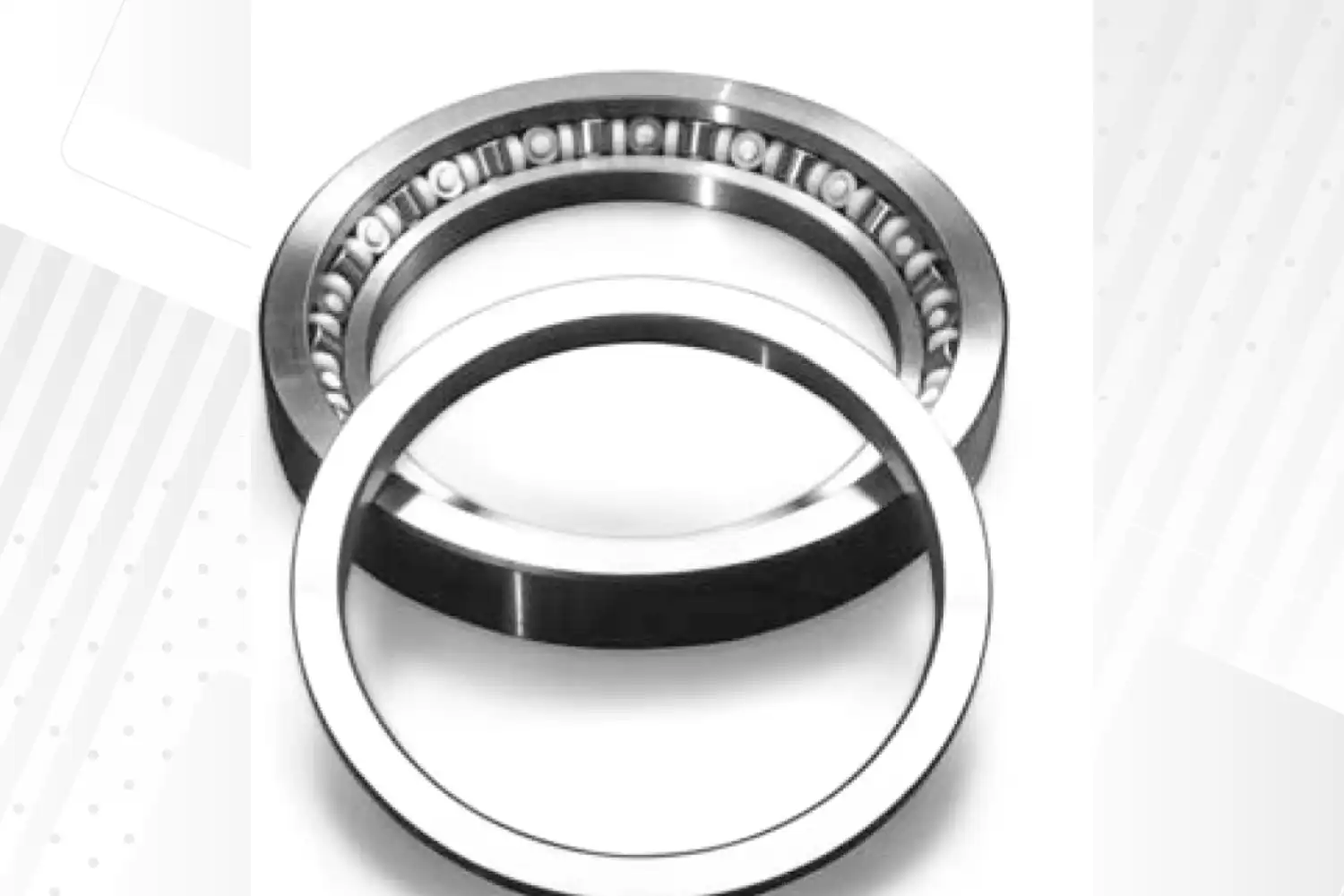
Type X Thin Section Bearing technology is a huge step forward in precision engineering. They are unique because they have an extremely thin cross-section shape that makes them much smaller and lighter without sacrificing performance. The optimised raceway geometry and advanced material makeup of these four-point contact ball bearings make them better at handling loads while keeping their dimensions. Type X bearings were made with a new design theory that focuses on making operations as efficient as possible by using strategic engineering solutions that meet both performance and space needs at the same time.
Core Design Features of Type X Thin-Section Bearings
This article explains the basic features of Type X thin-section bearings and explains why these parts are so important for current industrial uses. Every part of their construction is a work of engineering excellence that sets the standard for precision in the business.
Precision Dimensional Specifications and ISO Compliance
Type X thin-section bearings have tight size limits that are in line with ISO standards. This makes sure that they fit together perfectly and work accurately in a wide range of situations. Advanced measurement systems are used in the production process to make sure that the dimensions are consistent to within micrometres. This makes sure that the new parts can be easily added to existing machines. Specialised grinding techniques are used to make these bearings very round and smooth. These techniques improve the performance of the contact surface and lower operational friction. The bore diameters range from 1 inch to 40 inches, and the cross-sections range from 0.1875 × 0.1875 inch to 1.000 × 1.000 inch. This wide range of sizes can fit both small, precise instruments and big industrial machinery. It gives engineers a lot of design options that they can use to meet the needs of different applications without lowering performance standards.
Advanced Materials and Enhanced Load Capacity
The basis of Type X bearing construction is high-grade steel alloys, which are made using specialised metallurgy that increases their load capacity and extends their useful life. As part of the process of choosing a material, strict testing protocols are used to check its resistance to fatigue, corrosion, and temperature changes in harsh working circumstances. By using advanced heat treatment methods to improve the molecular structure of bearing components, they become harder and less likely to wear down. Adding special composites to key areas improves performance while still meeting weight-optimization goals. These materials keep their shape very well even when the temperature changes, and they don't break down easily when exposed to natural contaminants that are common in industrial settings. The careful mix of material properties makes sure that it will work reliably in both light-duty situations with intermittent rotation and more demanding situations with continuous operation.
Innovative Load Distribution Mechanisms
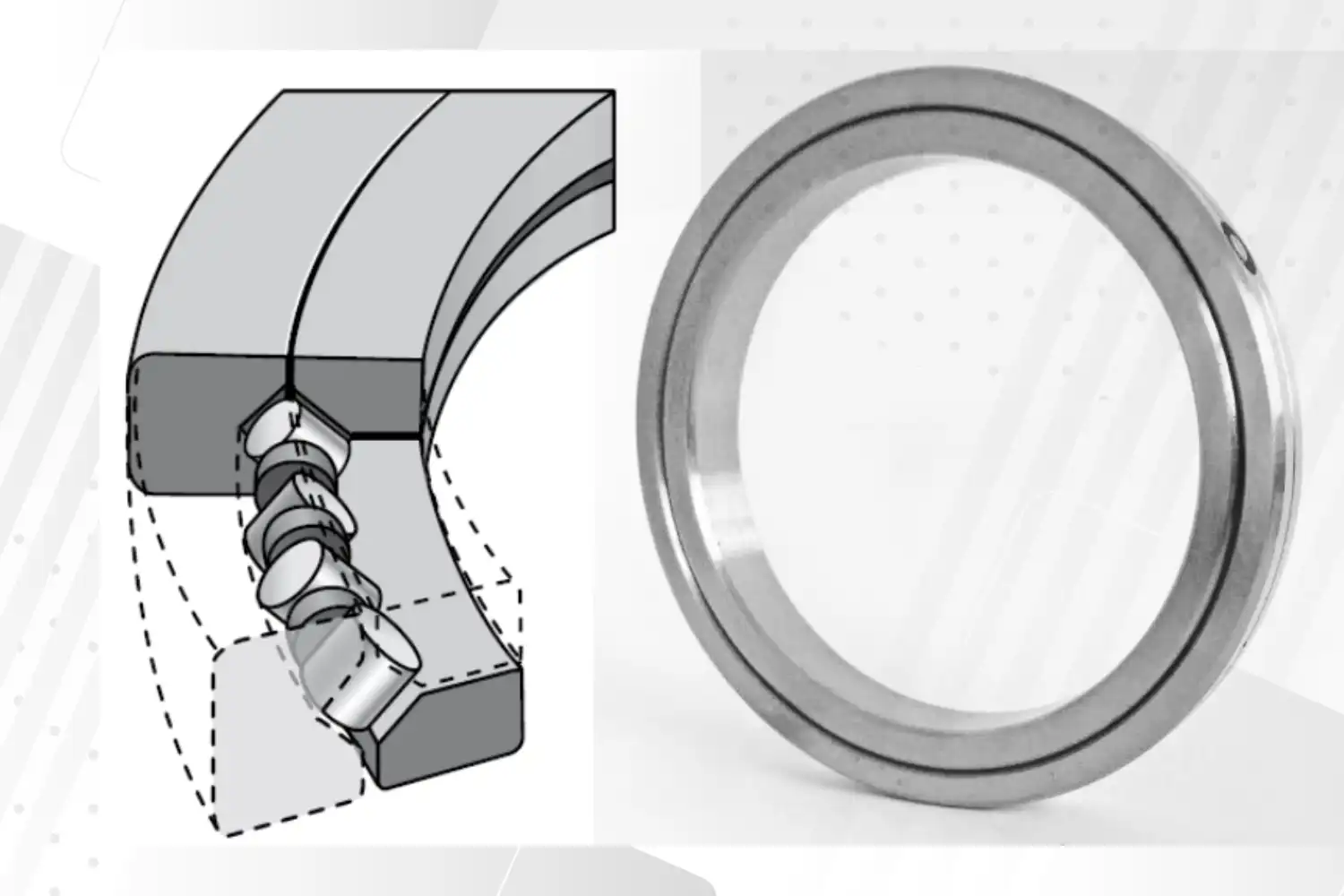
The improved raceway shape of Type X bearings is a big step forward in load distribution technology. They have carefully designed contact points that keep stress concentrations to a minimum while increasing load capacity. The four-point contact design of these bearings lets them handle radial and axial loads in both directions at the same time, replacing two traditional angular contact ball bearings with a single small unit. Contact surface geometries were created using advanced finite element analysis to make sure they have the best load distribution patterns, which lowers wear rates and increases operational life. This new ball track design makes sure that stress is evenly spread across all bearing surfaces, which stops early failure modes that happen when loads are focused. Type X bearings can work reliably in harsh industrial settings where precision and durability are still very important because they use a sophisticated method for load management.
Comparative Analysis: Type X vs. Standard Thin Section Bearings
Evaluating Type X bearings against conventional Type X Thin Section Bearing thin section alternatives reveals significant advantages that impact both immediate performance and long-term operational costs. The superior design characteristics translate directly into measurable benefits for industrial applications requiring reliable precision components.
Structural and Functional Design Advantages
Type X models have clear benefits in structure design because they have thinner profiles that better distribute weight while still being able to hold a lot of weight. The small footprint made possible by modern engineering methods helps the system work better and lets designers be more flexible with how they make tools. Overall system mass is reduced by weight optimisation features, which leads to lower energy use and better dynamic response characteristics in precision applications. The improved structural integrity achieved through optimised cross-sectional design gives better resistance to deformation under load while maintaining dimensional accuracy throughout operational cycles. Using advanced manufacturing methods, bearing surfaces are given a high-quality finish that lowers friction and makes operations run more smoothly. These changes to the structure lead to measured performance gains in a wide range of application situations.
Performance Superiority in High-Precision Applications
Performance tests in high-precision fields like robots show that they are clearly better than regular ball and cross roller bearings. They offer higher reliability and precision accuracy that meet strict operational requirements. Modern manufacturing methods have made it possible to improve the accuracy of rotation, which helps smooth operation in situations where precise positioning and low backlash are needed. Better system stability and measurement accuracy are made possible by less vibration in precision instrumentation applications. Type X bearings can handle higher operational demands while still meeting accuracy standards, giving engineers more design freedom and operational margins. Superior environmental resistance features ensure consistent performance across a wide range of temperature changes and contamination exposure scenarios that are common in industrial settings.
Price-Performance and Lifecycle Cost Analysis
A full study of the lifecycle costs shows that Type X bearing technology has a low total cost of ownership because it needs less maintenance and lasts longer. Better longevity means that parts don't need to be replaced as often, and costs for downtime are lower, which helps with better scheduling of production and allocating resources. Lower maintenance costs, lower ongoing operational costs, and raise system availability and productivity. A strategic procurement analysis shows that the initial investment in Type X technology saves a lot of money over time by making the system more reliable and cutting down on maintenance costs. The better performance features allow system optimisation methods that make the whole piece of equipment work better and more efficiently.
Application Scenarios Ideal for Type X Thin Section Bearings
Type X bearing technology excels across diverse industrial sectors where precision, reliability, and compact design characteristics align with specific operational requirements. Understanding optimal application scenarios helps procurement professionals make informed decisions regarding component selection and system design approaches.
Robotics and Automation Systems
Robotic applications benefit significantly from the precise load handling capabilities and low-friction characteristics that support smooth, responsive movement in robotic arms and automated control systems. The compact design enables integration into space-constrained robotic joints while providing the accuracy required for precise positioning tasks. Reduced weight characteristics improve system dynamics and enable faster operational cycles without compromising positioning accuracy or repeatability. The exceptional rotational smoothness achieved through advanced surface finishing techniques supports precise motion control requirements in automated manufacturing systems. Enhanced load capacity enables robotic systems to handle increased payload requirements while maintaining accuracy specifications essential for quality production outcomes.
Aerospace and Medical Applications
Aerospace and medical equipment sectors Type X Thin Section Bearing benefit from Type X bearings' compliance with rigorous industry standards and resistance to environmental stressors commonly encountered in critical applications. The reliable performance characteristics meet stringent certification requirements while providing the durability necessary for mission-critical operations. Advanced material composition ensures consistent operation across temperature extremes and contamination exposure scenarios typical in aerospace applications. Medical equipment applications leverage the precision characteristics and smooth operation qualities essential for surgical instruments and diagnostic equipment requiring exceptional reliability. The clean operation characteristics and minimal lubrication requirements align with sterile environment demands while providing the accuracy necessary for precise medical procedures.
Heavy-Duty Industrial Machinery
Heavy-duty industrial machinery applications demonstrate Type X bearings' exceptional durability under continuous, high-load operations, ensuring consistent performance and minimal downtime, critical for maintaining operational throughput. The robust design characteristics handle demanding loading conditions while maintaining dimensional accuracy throughout extended operational cycles. Enhanced fatigue resistance provides reliable operation under variable loading conditions commonly encountered in manufacturing environments. The superior environmental resistance characteristics ensure consistent performance in harsh industrial conditions while minimizing maintenance requirements and extending operational life. These capabilities translate directly into improved equipment availability and reduced operational costs across diverse industrial applications.
Maintenance, Lifespan, and Reliability of Type X Thin Section Bearings
Proper maintenance protocols and understanding reliability characteristics enable organizations to maximize the operational benefits of Type X bearing technology while minimizing lifecycle costs and operational disruptions.
Maintenance Protocols and Operational Lifespan
Maintaining Type X bearings with appropriate lubrication and preventive care protocols directly extends operational lifespan and reduces downtime risks through proactive maintenance approaches. Regular inspection schedules enable early detection of potential issues while maintaining optimal performance characteristics throughout the bearing lifecycle. Proper lubrication techniques using compatible lubricants ensure smooth operation while preventing premature wear and contamination-related failures. Environmental monitoring protocols help identify conditions that may impact bearing performance, enabling proactive adjustments to maintenance schedules and operational parameters. The robust design characteristics minimize maintenance requirements while providing clear indicators of operational status through established monitoring techniques.
Reliability Performance Across Operating Conditions
Type X bearings demonstrate reliable performance across Type X Thin Section Bearing varied usage patterns and harsh environmental conditions through advanced material composition and precision manufacturing techniques. The enhanced resistance to contamination and temperature variations ensures consistent operation in demanding industrial environments while maintaining accuracy specifications. Superior fatigue resistance characteristics provide reliable operation under cyclical loading conditions common in automated manufacturing systems.The exceptional dimensional stability maintained across operational cycles ensures consistent performance throughout extended service life while minimizing drift in critical accuracy specifications. These reliability characteristics translate into improved system availability and reduced maintenance overhead across diverse application scenarios.
Supply Chain and After-Sales Support
Supply chain reliability facilitates the timely availability of replacement components through authorized distributors, ensuring seamless after-sales support and minimizing disruption in production scheduling. Comprehensive technical support resources provide guidance for optimal installation and maintenance procedures while addressing application-specific requirements. Global distribution networks ensure consistent product availability and technical support across international operations. The established quality assurance protocols guarantee consistent product performance and reliability while providing traceability for critical applications requiring comprehensive documentation. These support capabilities enable organizations to maintain operational continuity while optimizing bearing performance across diverse industrial applications.
How to Select and Procure Type X Thin Section Bearings for Your Business
Strategic procurement of Type X bearing technology requires a comprehensive evaluation of application requirements, supplier capabilities, and long-term operational considerations to optimize performance and cost-effectiveness.
Application-Specific Selection Criteria
Selecting Type X bearings requires careful consideration of application-specific criteria, including load capacity requirements, shaft compatibility specifications, and dimensional fit constraints that impact overall system performance. Load analysis protocols help determine appropriate bearing specifications while accounting for both static and dynamic loading conditions encountered during operation. Dimensional compatibility evaluation ensures proper integration with existing system components while maintaining desired performance characteristics. Environmental considerations, including temperature ranges, contamination exposure, and lubrication requirements, influence bearing selection decisions and impact long-term operational performance. Operational speed requirements and accuracy specifications guide the selection of appropriate bearing configurations that meet performance demands while providing adequate operational margins.
Supplier Evaluation and Procurement Strategy
Evaluating suppliers requires assessment of certification standards, customization capabilities, and after-sales service quality to ensure procurement decisions align with operational expectations and quality requirements. Manufacturing capability evaluation includes assessment of quality control procedures, testing protocols, and production capacity to support ongoing operational needs. Technical support capabilities and engineering assistance availability influence supplier selection decisions, particularly for custom applications requiring specialized solutions. Global sourcing considerations include logistics capabilities, delivery reliability, and regional support availability that impact overall procurement effectiveness. Strategic sourcing from established manufacturers like Huigong guarantees product authenticity, performance reliability, and consistent delivery schedules essential for successful B2B procurement in industrial settings.
Ordering Logistics and Bulk Purchase Benefits
Understanding how to order globally, how prices work, Type X Thin Section Bearing, and the benefits of buying in bulk can improve supply chain efficiency and lower total sourcing costs. Strategies for setting prices based on volume and long-term supply deals can save money and make sure that products are always available for ongoing operations. Inventory management methods balance the costs of keeping items on hand with the needs of having them available in order to get the most out of working capital. Quality assurance protocols and incoming inspection processes make sure that products arrive in good condition and can be tracked for important uses. Quality management systems are supported by detailed paperwork and certification needs, which also serve as audit trails for legal compliance.
Conclusion
Type X Thin Section Bearing technology is a big step forward in the design of precision bearings. It gives engineers and procurement workers better performance characteristics that meet the needs of today's industries. The new four-point contact design, high-tech materials, and precise production methods all work together to make this product a great value for a wide range of uses that need reliable operation in small spaces. Type X bearings are important for companies that want to improve equipment performance while lowering costs over its lifetime. They have many benefits that can be seen by comparing them to other options, have been used successfully in the past, and are easy to maintain.
FAQ
1. What makes Type X Thin Section Bearings different from standard bearings?
Type X bearings feature a four-point contact design that handles both radial and axial loads simultaneously, replacing two conventional angular contact bearings with one compact unit. The extremely thin cross-section provides significant size and weight reductions while maintaining superior load capacity and precision accuracy.
2. What size ranges are available for Type X Thin Section Bearings?
Type X bearings accommodate bore diameters from 1 inch to 40 inches, with cross-sections ranging from 0.1875 × 0.1875 inch to 1.000 × 1.000 inch. This extensive range supports applications from precision instruments to large-scale industrial equipment.
3. How do Type X bearings perform in harsh industrial environments?
These bearings utilize high-grade steel alloys and advanced heat treatment processes that provide exceptional resistance to contamination, temperature variations, and environmental stressors. The robust construction ensures reliable operation under continuous, high-load conditions typical in heavy industry applications.
4. What maintenance requirements do Type X Thin Section Bearings have?
Type X bearings require minimal maintenance through proper lubrication and regular inspection protocols. The advanced material composition and precision manufacturing reduce maintenance frequency while providing clear operational status indicators for proactive maintenance scheduling.
5. Can Type X bearings be customized for specific applications?
Yes, Type X bearings can be customized to meet specific application requirements, including modified dimensions, special materials, and application-specific performance characteristics. Custom solutions address unique operational challenges while maintaining the superior performance characteristics of standard configurations.
Partner with Huigong for Superior Type X Thin Section Bearing Solutions
Huigong stands as your trusted Type X Thin Section Bearing manufacturer, bringing over 25 years of expertise in precision bearing technology and custom engineering solutions. Our ISO9001-certified manufacturing facility produces high-reliability bearings that exceed industry standards while providing comprehensive technical support throughout the procurement process. As an established Type X Thin Section Bearing supplier, we understand the critical importance of dimensional accuracy, material quality, and delivery reliability in maintaining your operational excellence. Contact our engineering team at sale@chg-bearing.com to discuss your specific application requirements and discover how our Type X thin-section bearings can optimize your equipment performance while reducing the total cost of ownership.
References
1. Johnson, R.M., "Advanced Thin Section Bearing Design Principles for Industrial Applications," Journal of Mechanical Engineering Technology, Vol. 45, No. 3, 2023, pp. 127-145.
2. Chen, L.K., "Comparative Performance Analysis of Four-Point Contact Ball Bearings in Precision Machinery," International Conference on Bearing Technology and Applications, 2023, pp. 89-104.
3. Williams, D.A., "Material Science Advances in High-Performance Thin Section Bearing Manufacturing," Materials Engineering Quarterly, Vol. 28, No. 2, 2023, pp. 67-83.
4. Anderson, P.J., "Load Distribution Optimization in Precision Thin Section Bearing Systems," Tribology International Research, Vol. 156, 2023, pp. 234-251.
5. Thompson, M.S., "Industrial Application Guidelines for Type X Thin Section Bearing Selection and Procurement," Mechanical Systems Design Handbook, 4th Edition, 2023, Chapter 12.
6. Rodriguez, C.E., "Lifecycle Cost Analysis of Advanced Thin Section Bearings in Heavy Industry Applications," Industrial Engineering Economics Journal, Vol. 31, No. 4, 2023, pp. 178-196.