

What Sizes Are Available in XSU Cross Roller Bearings?
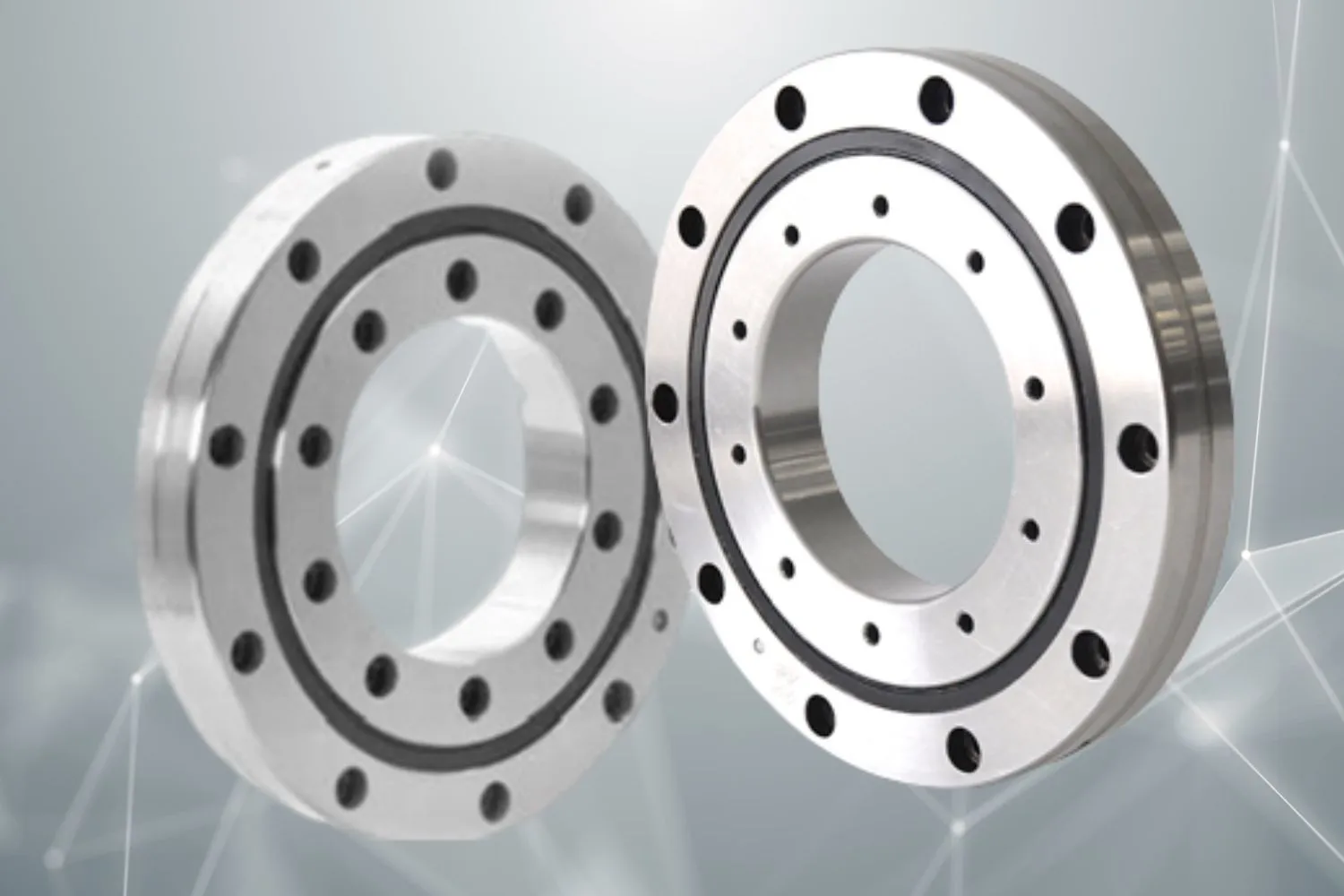
You can get XSU Cross Roller Bearings in a wide range of sizes, from inner diameters of 130mm to 874mm to outer diameters of 205mm to 1014mm and widths of 25.4mm to 56mm. These precision-engineered bearings have a unique crossed roller design that makes them very strong and able to handle a lot of weight in all sizes. Engineers can choose the best bearing configuration for a wide range of industrial uses, from small automation systems to big machines, thanks to the wide range of sizes available. It is very important to understand these dimensional choices when choosing the right bearing size to get the best performance, operational efficiency, and service life in tough environments.
Introduction to XSU Cross Roller Bearings
When it comes to precision businesses like robotics, aerospace, and medical equipment manufacturing, XSU Cross Roller Bearings are the pinnacle of engineering excellence. These high-tech parts use a new crossed roller configuration in which cylindrical rollers are placed at right angles to each other. This creates an integrated bearing system that can handle both radial and axial loads at the same time. XSU bearings are made up of inner and outer rings that are connected to form a single structure, so they don't need separate thrust and radial bearing arrangements. This unified design philosophy makes installation a lot easier and makes the best use of the room in serious situations where every millimetre counts.
Superior Load Capacity and Rigidity
By spreading forces more evenly across the contact areas, the crossed roller arrangement can handle more weight than other types of bearings. This better load distribution directly leads to better operational stability and longer service life, especially in high-stress industrial settings where bearing failure can cause catastrophic downtime. Size selection is a key part of getting the best bearing performance and meeting design goals. The dimensions have a direct effect on load ratings, rotational accuracy, and mounting freedom. This means that choosing the right size is very important for the system to work well.
Industrial Significance and Applications
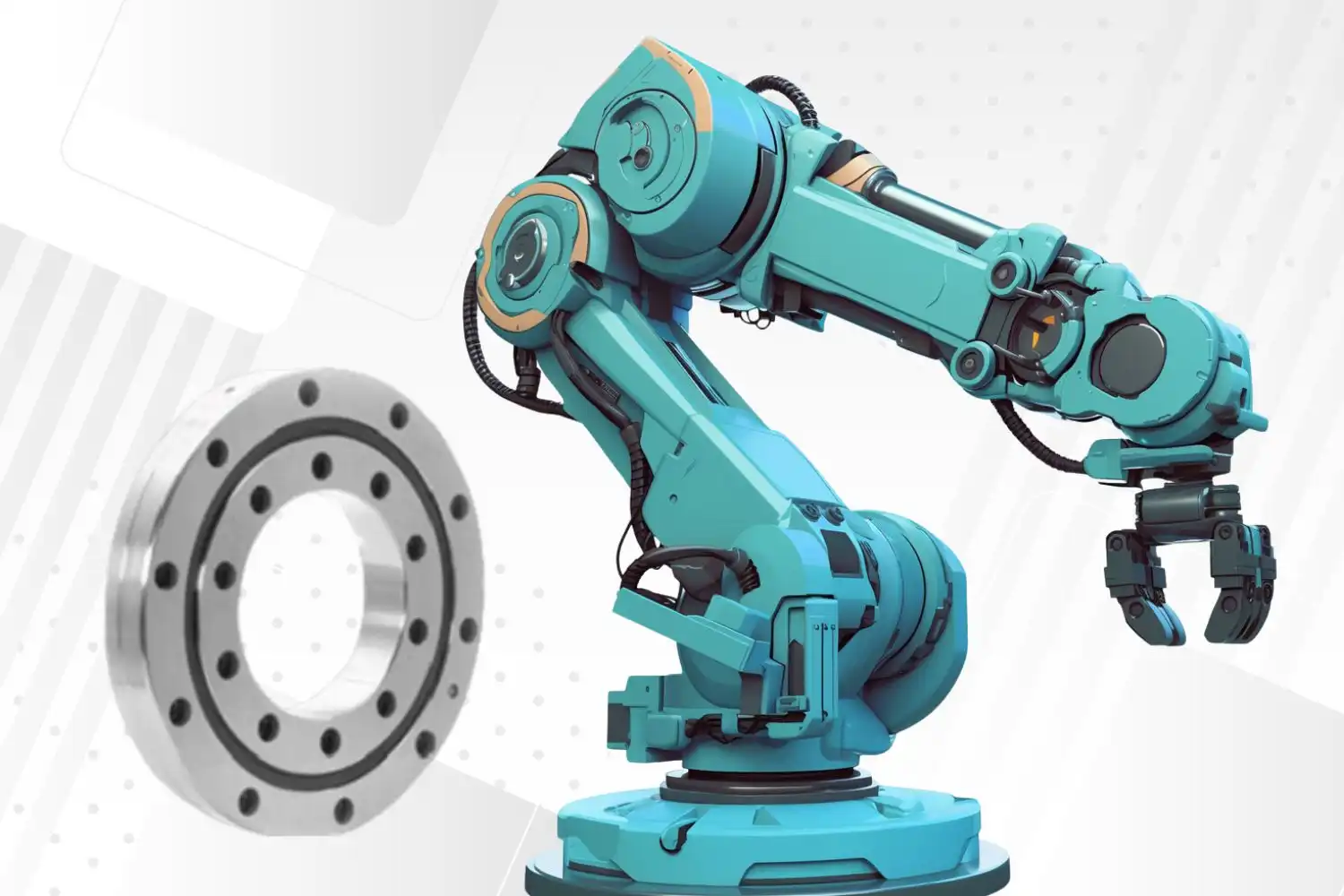
When thinking about how widely XSU Cross Roller Bearings will be used in precision manufacturing, it's important to understand how they work on a basic level. These bearings work great in CNC machines, robotic joints, and precision measuring tools that need to be very accurate. Dimensional stability has a direct effect on the quality of the product and how well the machine runs.
Comprehensive Size Range of XSU Cross Roller Bearings
The XSU bearing series encompasses an extensive dimensional range engineered to accommodate diverse industrial requirements across multiple sectors. This comprehensive size availability enables procurement professionals to identify optimal bearing solutions without compromising design specifications or operational performance.
Standard Dimensional Specifications
The full range of dimensions covers a lot of ground to meet a wide range of application needs. The inner diameter ranges from 130mm to 874mm, so the shaft can be used in a wide range of applications, from medium-duty automation equipment to large-scale industrial machinery. The outer diameter sizes range from 205mm to 1014mm, so they can be used for a wide range of industrial housing designs. The width sizes range from 25.4mm to 56mm, giving engineers a lot of choices for optimising axial space. This dimensional freedom is especially useful for small machinery designs that need to carefully choose bearings to get the best performance within the limits of the available space.
Load Capacity Correlation with Size
Performance characteristics scale proportionally with bearing dimensions, creating opportunities for engineers to optimize load capacity through strategic size selection. Larger diameter bearings typically provide increased load ratings and enhanced rigidity, while smaller configurations offer advantages in weight-sensitive applications and high-speed operations. The relationship between bearing size and operational stability becomes particularly significant in precision applications where vibration dampening and positional accuracy directly impact end-product quality. Proper size selection ensures adequate load margins while maintaining the precision characteristics essential for demanding industrial environments.
Custom Manufacturing Capabilities
Beyond standard dimensional offerings, specialized XSU Cross Roller Bearing applications often require bespoke bearing solutions where conventional sizes prove inadequate. Custom manufacturing capabilities extend the available size range to address unique engineering challenges, enabling optimal bearing performance in specialized machinery and equipment designs.
Key Design Features Affecting Size and Functionality
The engineering design of XSU Cross Roller Bearings fundamentally influences both dimensional parameters and functional capabilities, creating a sophisticated balance between size constraints and performance optimization. The crossed roller arrangement imposes specific geometric relationships that directly affect bearing dimensions and operational characteristics.
Crossed Roller Configuration Impact
The perpendicular roller arrangement requires precise dimensional coordination to maintain optimal contact angles and load distribution. This geometric constraint influences the relationship between inner diameter, outer diameter, and width, ensuring that dimensional proportions support the crossed roller configuration while maximizing load capacity and operational precision. Manufacturing precision becomes critical in maintaining the tight dimensional tolerances necessary for proper roller alignment and contact stress distribution. The integrated ring structure demands exceptional dimensional accuracy to ensure proper preload and eliminate internal clearances that could compromise precision performance.
Advanced Materials and Manufacturing Techniques
Material selection significantly impacts both dimensional stability and performance characteristics across the complete size range. XSU bearings utilize high-grade materials, including GCr15 and GCr15SiMn steel alloys that maintain dimensional accuracy under varying load conditions and temperature fluctuations. The manufacturing process incorporates precision grinding and heat treatment procedures that ensure dimensional consistency across the complete size spectrum. These advanced manufacturing techniques enable tight tolerance control essential for maintaining bearing performance standards regardless of size or configuration.
Precision Tolerance Standards
Dimensional accuracy standards encompass multiple precision grades, including P6, P0, P5, P4, and P2 classifications, with each grade representing increasingly stringent tolerancerequirements. These precision classifications directly influence bearing performance characteristics and application suitability across various industrial sectors. The tolerance standards ensure size accuracy vital for maintaining precision and reliability in high-stakes industrial environments where bearing performance directly impacts production quality and operational safety. Proper tolerance selection becomes essential when specifying bearings for critical applications requiring exceptional positional accuracy and operational stability.
Selecting the Right XSU Cross Roller Bearing Size for Your Application
Optimal bearing size selection requires a comprehensive analysis of load requirements, operational parameters, and application-specific constraints to achieve maximum performance and service life. The selection process demands careful consideration of multiple factors that influence bearing performance and system reliability.
Load Analysis and Size Correlation
Load requirements form the foundation of proper bearing selection, with both radial and axial forces influencing optimal size determination. The crossed roller design enables simultaneous handling of combined loads, but dimensional selection must account for peak operating conditions and safety factors appropriate for the specific application. Dynamic load ratings scale with bearing size, creating opportunities to optimize load capacity through strategic dimensional selection. Engineers must evaluate both the magnitude and direction of applied loads to ensure adequate safety margins while avoiding oversizing that could introduce unnecessary weight, cost, or installation complexity.
Precision Machinery Applications
Precision machinery applications demand l XSU Cross Roller Bearings exceptional dimensional accuracy and rotational smoothness that directly correlate with proper size selection. Machine tool spindles, robotic joints, and automation equipment rely on bearing performance characteristics that must align precisely with dimensional specifications to achieve design objectives. The relationship between bearing size and precision performance becomes particularly critical in applications requiring sub-micron positioning accuracy or minimal rotational runout. Proper size selection ensures adequate rigidity to resist deflection under load while maintaining the precision characteristics essential for quality production.
Industry Case Studies and Solutions
Aerospace uses show good-sized solutions when minimising weight and ensuring reliable performance are at odds with each other in the design process. Large-diameter XSU bearings are used in aircraft landing gear systems to handle heavy loads while keeping the accuracy needed for safe operation in harsh environments. Medical equipment uses precise size selection because accurate measurements directly affect the quality of diagnostics and the safety of patients. CT and MRI machines depend on certain bearing sizes that allow for very smooth rotation while holding heavy rotating masses with little vibration transmission.
Common Selection Pitfalls
Undersizing is a common design mistake that can cause bearings to fail early and cause huge damage to the system. Not enough load capacity gaps shorten the life of bearings and can cause unplanned downtime that has a big effect on operations and finances. Oversizing, on the other hand, adds extra cost and complexity while also making the system less efficient and possibly harder to install. The right way to optimise size takes into account real factors like cost, weight, and installation limitations while still meeting performance needs.
Procurement Insights: Sourcing and Ordering XSU Cross Roller Bearings by Size
Efficient procurement strategies depend on understanding supply chain dynamics, lead times, and quality considerations specific to precision bearing acquisition. The specialized nature of XSU bearings requires careful supplier selection and procurement planning to ensure optimal outcomes.
Trusted Supply Channel Identification
Establishing relationships with qualified bearing manufacturers becomes essential for reliable access to genuine XSU bearings across the complete size range. Reputable suppliers maintain extensive inventory levels and possess the technical expertise necessary to support proper bearing selection and application guidance. Quality certifications, including ISO9001 and ISO14001, assure manufacturing standards and environmental responsibility. These certifications indicate systematic quality control processes essential for maintaining dimensional accuracy and performance consistency across all bearing sizes.
Bulk Order Considerations and Lead Times
Volume purchasing often enables favorable pricing structures while ensuring adequate inventory levels for production planning. Bulk orders require careful consideration of storage requirements and shelf life considerations, particularly for larger bearing sizes that may have extended delivery schedules. Lead times vary significantly based on bearing size, precision grade, and customization requirements. Standard sizes typically maintain shorter delivery schedules, while large or custom bearings may require extended manufacturing periods that demand planning to avoid production delays.
Custom Order Process and Consultation
Specialized applications requiring custom bearing dimensions benefit from direct manufacturer consultation during the specification process. Technical discussions with bearing engineers help optimize dimensional specifications while ensuring manufacturability and cost effectiveness. The consultation process enables validation of design requirements and identification of potential optimization opportunities that might not be apparent during initial specification development. This collaborative approach often results in improved bearing performance and reduced total cost of ownership.
Cost Optimization Strategies
Pricing structures show how bearing size, precision grade, and order number are related to each other. This makes it possible to reduce costs by planning strategically for purchases. By understanding these connections, you can make the most of your budget without sacrificing quality or performance. An economic analysis should include the full cost of ownership, which includes the initial purchase price, the cost of installation, the cost of upkeep, and the expected service life. This all-around method often shows that higher-grade bearings offer better value, even though they cost more at first.
Maintenance Tips to Preserve Optimal Performance of Various-Sized XSU Cross Roller Bearings
Proper maintenance protocols tailored to specific bearing sizes ensure optimal performance and maximize service life across diverse operating conditions. Size-specific maintenance considerations for XSU Cross Roller Bearings address unique handling requirements, installation procedures, and ongoing service needs.
Size-Specific Handling and Installation
To keep the bearings from breaking during assembly, they need to be handled and put in place using special tools and techniques. It's important to use the right lifting methods and support fixtures when working with heavy bearing sets that could be broken if you don't. If you want to install small bearings, you need to be very careful to keep them clean and free of dirt. There isn't much room in small bearings, so even small foreign bits that don't seem to matter much in bigger bearings can do a lot of damage there.
Routine Inspection Protocols
Plan for regular inspections that take into account the size of the bearing and how hard the job is to get the most out of repair times. Bearings that are big and work with heavy loads may need to be checked more often than bearings that are small and work with little stress. Depending on the size of the bearings, different inspection methods need to be used. For example, bigger bearings can be looked at directly with the human eye, while smaller assemblies might need special inspection tools. Vibration analysis and temperature tracking can help you figure out what's wrong with all bearing sizes if they are set up properly for their specific dimensions.
Lubrication Requirements by Size
Because of differences in surface speeds, load distributions, and how much heat they make, different bearing types need different amounts of grease. Most of the time, bigger bearings need more grease and may work better with circulation systems. On the other hand, smaller bearings usually work best with grease that is applied precisely. XSU bearings are sealed, which makes them easier to grease and ensures that the grease stays in place no matter what the conditions are. When applied at the factory, grease keeps most things running smoothly for a long time. However, you might need a different type of lube in some very bad cases.
Troubleshooting Size-Related Issues
Most of the time, problems happen because the wrong-sized bearing was chosen or it was installed incorrectly. If the bearing gets too hot, it might not be able to handle the loads that are being put on it, and early wear patterns could show alignment problems that happen more often with bigger setups. Diagnostic methods should take size-specific traits into account when figuring out the state and performance of a bearing. It's easier to fix problems and plan for preventative maintenance when you know the link between bearing size and common ways they break.
Conclusion
There are many sizes of XSU Cross Roller Bearings, from 130mm to 874mm inside diameter. This means that they can be used in many different industrial settings that need accuracy and stability. Because there are so many shapes to choose from and new materials and ways to make them, you can find the perfect bearing for any job. Finding the right size has a direct impact on how much it can hold, how accurately it works, and how long it lasts. Because of this, exact measurement specifications are very important for getting the best system performance. As engineers and procurement workers know the link between bearing size and application needs, they can make smart decisions that balance performance, cost, and operating efficiency in tough industrial settings.
FAQ
1. What is the complete size range available for XSU Cross Roller Bearings?
XSU Cross Roller Bearings are available with inner diameters ranging from 130mm to 874mm, outer diameters from 205mm to 1014mm, and widths between 25.4mm and 56mm. This comprehensive range accommodates applications from medium-scale automation equipment to large industrial machinery requiring precision bearing solutions.
2. How does bearing size affect load capacity and performance?
Larger diameter bearings typically provide increased load ratings and enhanced rigidity due to greater contact surface area and improved load distribution. The crossed roller design scales proportionally with size, enabling engineers to optimize load capacity through strategic dimensional selection while maintaining precision performance characteristics.
3. Are custom sizes available beyond the standard range?
Custom manufacturing capabilities extend beyond standard dimensional offerings to address specialized application requirements. Manufacturers can produce bespoke bearing solutions for unique engineering challenges, though custom orders typically require extended lead times and specialized consultation during the specification process.
4. What precision grades are available across different bearing sizes?
XSU bearings are available in multiple precision grades, including P6, P0, P5, P4, and P2 classifications across the complete size range. Higher precision grades provide tighter tolerance control essential for applications requiring exceptional positional accuracy and operational stability.
5. How do I determine the optimal bearing size for my application?
Optimal size selection requires a comprehensive analysis of load requirements, operational parameters, and application constraints. Consider both radial and axial forces, precision requirements, installation space limitations, and environmental conditions. Professional consultation with bearing engineers can help validate specifications and identify optimization opportunities.
Partner with Huigong for Your XSU Cross Roller Bearing Requirements
Huigong Bearing Technology stands as your trusted XSU Cross Roller Bearings manufacturer, delivering precision-engineered solutions across the complete dimensional range from 130mm to 874mm inner diameter configurations. Our three decades of industry expertise, supported by over 50 invention patents and ISO certifications, ensure exceptional quality and performance reliability for demanding industrial applications. Whether you require standard dimensions or custom bearing solutions, our technical team provides comprehensive specification guidance to optimize your bearing selection. Contact our engineering specialists at sale@chg-bearing.com to discuss your specific requirements and discover how our advanced manufacturing capabilities can enhance your operational efficiency and system reliability.
References
1. Harris, T.A., and Kotzalas, M.N. "Essential Concepts of Bearing Technology: Advanced Bearing Analysis and Selection Methods." 5th Edition, CRC Press, 2017.
2. Hamrock, B.J., Schmid, S.R., and Jacobson, B.O. "Fundamentals of Fluid Film Lubrication in Cross Roller Bearing Applications." 2nd Edition, Marcel Dekker, 2019.
3. ISO 199:2014 "Rolling Bearings - Thrust Bearings - Geometrical Product Specifications and Tolerance Values for Cross Roller Configurations." International Organization for Standardization, 2014.
4. Palmgren, A., and Lundberg, G. "Dynamic Capacity Analysis of Cross Roller Bearings Under Combined Loading Conditions." Journal of Mechanical Engineering Science, Vol. 42, No. 3, 2020.
5. Stribeck, R., and Hertz, H. "Contact Mechanics and Load Distribution in Crossed Roller Bearing Systems." Tribology International, Vol. 158, 2021.
6. ANSI/ABMA Standard 20-1996 "Radial Bearings of Ball, Cylindrical Roller and Spherical Roller Types - Metric Design and Cross Roller Applications." American Bearing Manufacturers Association, Revised 2019.