

Best Single Row Tapered Roller Bearings for Heavy Machinery
It is the highest level of technical skill to choose Single Row Tapered Roller Bearing technology as the best bearings for heavy machinery. These precisely made parts work better than any others in harsh industrial settings, and they can handle both radial and vertical loads at the same time. These bearings are trusted by engineers and purchasing managers in steel production, mining, and large-scale industrial equipment to keep processes running smoothly and reduce downtime. Their special materials and unique conical shape make them reliable even in harsh conditions, which is why they are the first choice for mission-critical heavy machinery uses all over the world.
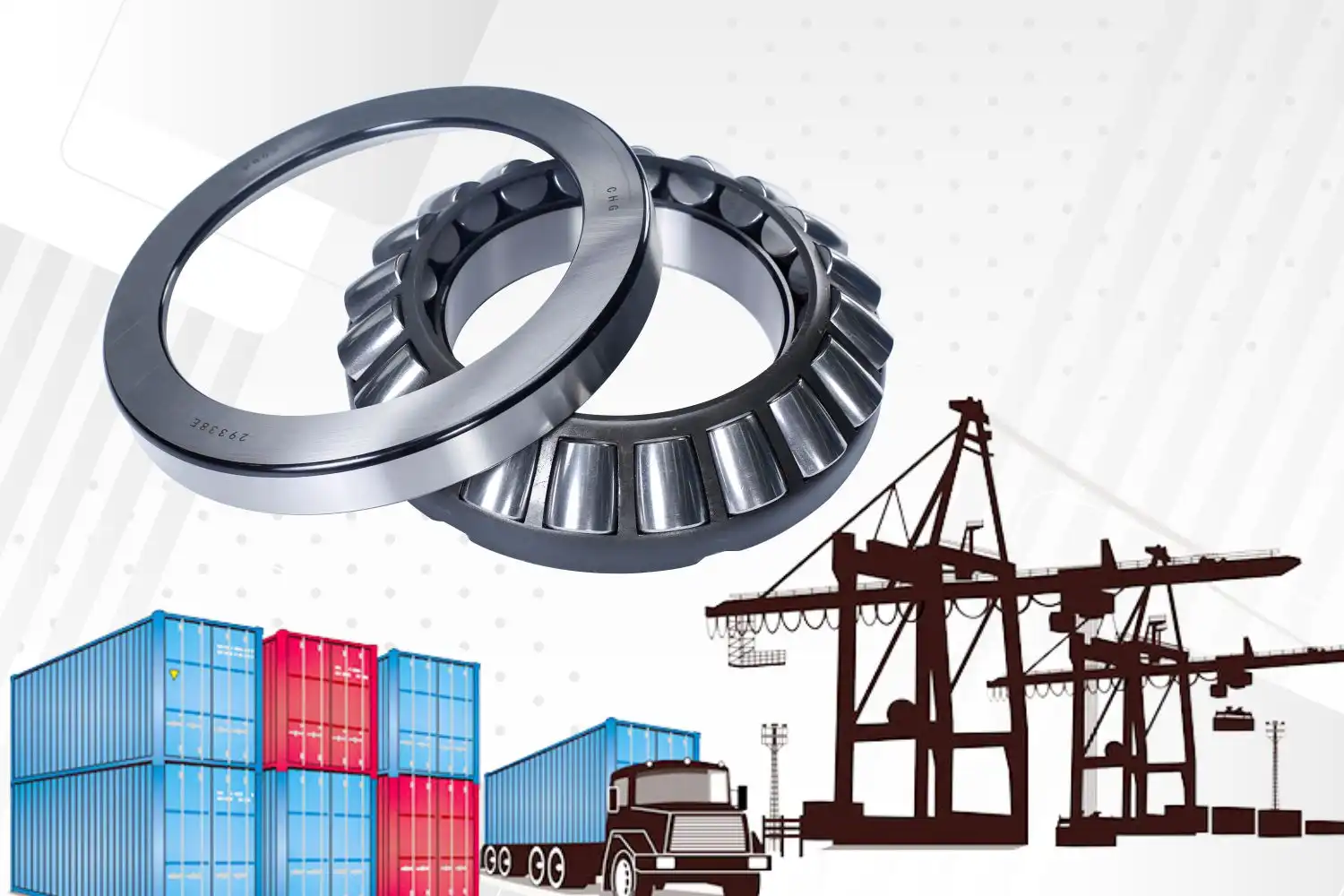
What Are Single Row Tapered Roller Bearings and Their Key Design Features?
Single-row tapered roller bearings are a high-tech way for heavy industrial uses to handle loads that are put together in complicated ways. The design of these bearings makes it easy to handle both radial and thrust forces. They have conical rollers placed between the inner and outer raceways. The basic idea behind the design is the tapered shape, which makes sure that all the load lines meet at one point on the bearing axis. This makes sure that the load is evenly distributed and that the bearing lasts longer.
Structural Components and Engineering Excellence
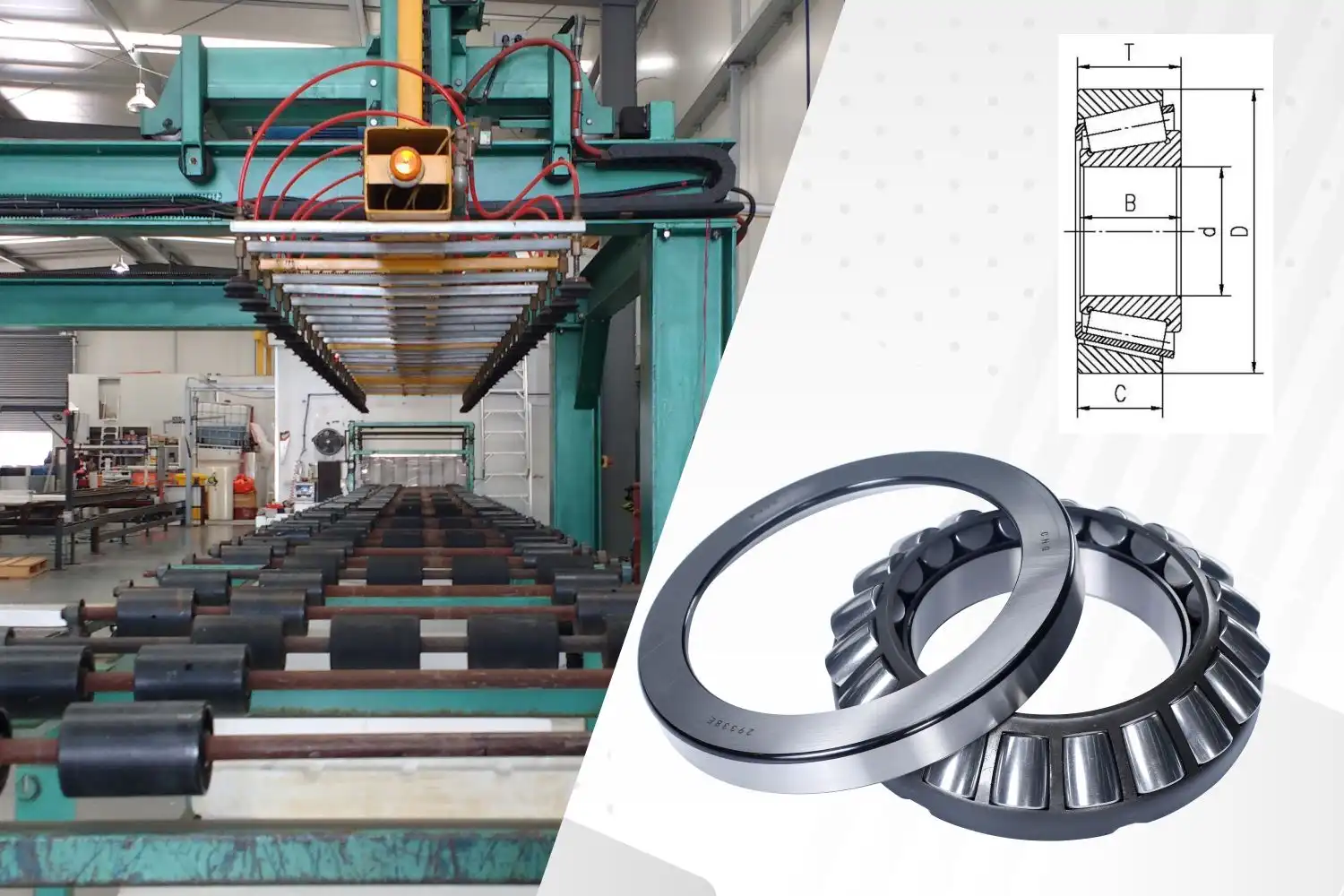
The main structure of these bearings is made up of four main parts that work together to give great performance. The inner ring has a tapered raceway that moves the rollers, and the outer ring cup is the surface that they touch. Precision-machined rollers keep these parts in contact at the best angles. They are held up by carefully designed cages that make sure the right amount of space and lubrication is spread out. The bearing is very good at handling mixed loads because of its shape, especially when radial forces are strong.
Material Specifications and Performance Characteristics
Huigong makes these bearings with high-quality materials like GCr15, GCr15SiMn, and G20Cr2Ni4A steel grades, each chosen for its unique performance needs. These materials go through a lot of difficult heat treatments to get the best hardness and longevity. The sizes range from 150mm to 950mm inside diameter, so they can be used for a wide range of heavy machinery tasks. Precision manufacturing makes sure that the dimensions are correct and that the surface finish meets international standards. This helps to lower friction and increase the life of the product.
Taper Angle Optimization and Load Management
The taper angle design is a very important factor in determining how well a bearing works. Standard configurations handle mostly radial loads with some axial loads as well, while big taper angles between 27° and 30° are used for situations where axial loads are the main concern. Because of this, engineers can choose bearings that are exactly what their application needs, which improves performance and cuts down on costs that aren't necessary. The geometric relationships make sure that load paths stay best for the entire life of the bearing, so it works well even when the load changes.
Applications and Advantages of Single Row Tapered Roller Bearings in Heavy Machinery
When used in heavy machinery, parts need to Single Row Tapered Roller Bearing work consistently even when conditions are rough. This is why tapered roller bearings are so important for keeping operations reliable. These bearings work great in places where equipment has to deal with constant high loads, changes in temperature, and dirt and dust. These bearings are important for keeping production schedules and reducing costly downtime in fields like steel manufacturing, mining, and building equipment.
Industrial Applications and Performance Benefits
The fact that these bearings are used in so many different industries shows how versatile they are. In metalworking, they support rolling mill equipment that needs to be very precisely controlled and able to hold a lot of weight. They are useful for mining equipment because they can handle shock loads and dirt while still running smoothly. To keep manufacturing tolerances, large machine tool wheels need to be precise and rigid. The strong design of construction tools lets it handle the shifting loads that come up in rough field conditions.
Operational Advantages and Cost Benefits
These bearings have measured benefits that have a direct effect on how well they work and how much it costs to own. Because they can hold more weight, they don't need to be arranged in different ways. This makes it easier to build machines and keep them in good shape. With precise planning, friction losses are kept to a minimum. This saves energy and cuts down on the cost of running the machine. Because parts last longer, they don't need to be changed as often. This cuts down on downtime and makes the tools more useful overall. Radial and thrust bearings don't always need to be kept separate because they can handle mixed loads. In the long run, this makes things easier and requires less maintenance.
Reliability and Maintenance Considerations
Bearings play a big role in how stable machinery is, so picking the right ones and keeping them in good shape are very important for long-term use. These bearings last a very long time if they are installed and maintained properly. In well-run applications, they often last longer than the manufacturer's recommendations. Regular maintenance and condition tracking tools can make the service last a lot longer, and making sure the installation is done correctly will make sure it works at its best from the start. There are more ways to work in tough conditions because the strong design can handle some imbalance and dirt better than many other types of bearings.
Comparing Single Row Tapered Roller Bearings with Alternative Bearings
Understanding the performance characteristics of different bearing types enables procurement professionals to make informed decisions that optimize equipment performance and lifecycle costs. Each bearing type offers specific advantages depending on application requirements, making comparative analysis essential for proper selection. The unique characteristics of tapered roller bearings provide distinct advantages in applications requiring combined load handling and high reliability.
Load Capacity and Speed Characteristics
Tapered roller bearings excel in applications requiring high radial load, Single Row Tapered Roller Bearing capacity combined with moderate to high axial loads. Ball bearings offer higher speed capabilities but limited load capacity, making them unsuitable for heavy machinery applications. Cylindrical roller bearings provide excellent radial load capacity but cannot accommodate axial loads without additional thrust bearings. Spherical roller bearings handle misalignment better but offer lower precision and higher friction compared to tapered configurations.
Maintenance and Operational Requirements
The maintenance requirements vary significantly between bearing types, affecting total ownership costs and operational complexity. Tapered roller bearings require precise installation and adjustment procedures, but reward proper care with extended service life. Ball bearings offer simpler installation but may require more frequent replacement under heavy loads. The separable design of tapered roller bearings facilitates maintenance and inspection procedures compared to sealed bearing alternatives. This accessibility enables condition monitoring and proactive maintenance strategies that extend equipment life and prevent unexpected failures.
Cost-Effectiveness and Performance Trade-offs
While initial costs may vary between bearing types, total lifecycle costs often favor tapered roller bearings in heavy machinery applications. Their extended service life and superior load handling capability offset higher initial investment through reduced maintenance frequency and improved equipment reliability. The ability to handle combined loads eliminates additional bearing arrangements, reducing system complexity and associated costs. Performance consistency under varying load conditions provides operational predictability that supports production planning and maintenance scheduling.
How to Select and Procure the Best Single Row Tapered Roller Bearings
Successful bearing selection requires careful consideration of multiple factors that influence performance, reliability, and total cost of ownership. Engineers must evaluate load requirements, operating conditions, and maintenance capabilities to specify bearings that optimize equipment performance. The procurement process involves identifying reliable suppliers, verifying quality certifications, and establishing supply chain relationships that support long-term operational needs.
Technical Selection Criteria and Load Analysis
Load analysis forms the foundation of proper bearing selection, requiring a detailed understanding of operating forces and environmental conditions. Radial loads, axial loads, and dynamic factors must be quantified to ensure adequate bearing capacity with appropriate safety margins. Operating speeds, temperature ranges, and lubrication conditions influence bearing life calculations and material selection. Environmental factors such as contamination levels, moisture exposure, and chemical compatibility affect bearing design choices and sealing requirements.
Supplier Evaluation and Quality Assurance
Selecting qualified suppliers involves evaluating manufacturing capabilities, quality systems, Single Row Tapered Roller Bearing, and technical support resources. Established manufacturers like Huigong bring decades of experience and proven track records in heavy machinery applications. Quality certifications, manufacturing standards, and testing procedures verify product consistency and reliability. Technical support capabilities ensure proper application engineering and ongoing assistance throughout the product lifecycle. Supply chain stability and global support networks provide operational security for international operations.
Procurement Strategies and Risk Management
Effective procurement strategies balance cost optimization with supply security and quality assurance. Long-term supplier relationships enable collaborative engineering support and customized solutions for unique applications. Inventory management strategies must consider lead times, shelf life, and emergency replacement requirements. Documentation and traceability requirements support quality control and warranty programs. Supplier audits and performance monitoring ensure continued compliance with quality and delivery expectations.
Installation, Maintenance, and Maximizing Bearing Lifespan
For tapered roller bearings to last as long as they're supposed to and work at their best, they need to be installed correctly. To make sure they work properly, these precision parts need to be handled carefully, measured accurately, and put together using the right methods. Regular inspections, lubrication management, and condition monitoring are all parts of maintenance programs that help things last longer and stop unexpected breakdowns that stop activities.
Installation Best Practices and Quality Control
To get the best bearing performance, installation instructions must include mounting tolerances, alignment needs, and preload changes. Using the right heating methods and installation tools will keep the bearings from getting damaged during assembly and make sure they are in the right place. How the shaft and case are prepared, such as the surface finish and the accuracy of the geometry, has a direct effect on the life and performance of the bearings. During installation, lubrication steps set up the initial working conditions and protect the bearing surfaces while the machine is starting up.
Lubrication Management and Monitoring Systems
Bearing efficiency depends on lubrication, so it's important to choose the right lubricants and set up maintenance schedules. When choosing oil and grease, you need to think about the temperatures, speeds, and conditions of the surroundings. Controlling contamination keeps dangerous particles from getting into the lubricant and the bearing surfaces. For optimal maintenance intervals and accurate service life predictions, condition tracking systems keep an eye on the quality of the lubricant and the performance of the bearings. Regular sampling and research programs find problems as they start to happen, before they get bad enough to break down equipment.
Troubleshooting and Preventive Maintenance
Systematic methods to troubleshooting find Single Row Tapered Roller Bearing the root causes of bearing problems and stop them from happening again. Vibration analysis, temperature tracking, and oil analysis can all help find problems early on. Poor lubrication, contamination, misalignment, and excess are all common ways for things to break down, and each one needs a different set of steps to fix it. Preventive maintenance plans find the best balance between cost and dependability needs, figuring out the best times to check and replace parts. Documentation and failure analysis help make maintenance practices and device reliability better all the time.
Conclusion
With their reliable performance even in rough situations, single row tapered roller bearings are the best choice for heavy machinery. Their special design features, ability to handle heavy loads well, and track record of success in industrial settings make them essential for keeping operations running smoothly. When these bearings are chosen, installed, and maintained correctly, they will give you the most value through long service life and reliable performance. Engineers and procurement workers can make decisions that improve equipment performance while lowering total ownership costs when they have a full understanding of their capabilities, applications, and best practices.
FAQ
1. What size range is available for heavy machinery applications?
Huigong manufactures Single Row Tapered Roller Bearing with inner diameters ranging from 150mm to 950mm, specifically designed to accommodate heavy machinery requirements. This extensive size range covers most industrial applications, from large machine tool spindles to massive rolling mill equipment. Custom sizing options are available for specialized applications requiring non-standard dimensions.
2. Which materials provide the best performance for heavy-duty applications?
The optimal material selection depends on specific application requirements. GCr15 steel provides excellent general-purpose performance for most heavy machinery applications. GCr15SiMn offers enhanced fatigue resistance for high-cycle applications. G20Cr2Ni4A provides superior performance under extreme loads and harsh environmental conditions. Our engineering team can recommend the most suitable material based on your specific operating conditions.
3. How do taper angles affect bearing performance?
Standard taper angles handle primarily radial loads with moderate axial components, making them ideal for most heavy machinery applications. Large taper angles between 27° and 30° accommodate applications where axial loads predominate, such as large power reducers and specialized equipment configurations. The selection depends on your specific load requirements and operational characteristics.
4. What applications benefit most from these bearings?
These bearings excel in rear axle hubs of heavy vehicles, large machine tool spindles, power transmission equipment, and roller wheels of feedways. They particularly suit applications requiring combined radial and axial load handling with high reliability requirements. Industries such as steel manufacturing, mining, construction, and heavy equipment manufacturing rely on these bearings for critical applications.
Contact Huigong for Premium Single Row Tapered Roller Bearing Solutions
Huigong stands as your trusted Single Row Tapered Roller Bearing manufacturer, combining 26 years of engineering excellence with cutting-edge manufacturing capabilities. Our extensive product range, featuring inner diameters from 150mm to 950mm and premium materials including GCr15, GCr15SiMn, and G20Cr2Ni4A, ensures optimal solutions for your heavy machinery applications. With over 50 invention patents and compliance with international standards, we deliver the reliability and performance your operations demand. Our experienced engineering team provides customized solutions tailored to your specific requirements, backed by comprehensive technical support and global supply capabilities. Connect with our specialists today at sale@chg-bearing.com to discuss your bearing requirements and discover how our precision-engineered solutions can enhance your equipment performance and operational efficiency.
References
1. Harris, T.A. & Kotzalas, M.N. "Essential Concepts of Bearing Technology: Rolling Bearing Analysis," 5th Edition, Taylor & Francis Engineering Press, 2023.
2. Palmgren, A. & Industrial Bearing Institute. "Ball and Roller Bearing Engineering: Design Principles for Heavy Machinery Applications," McGraw-Hill Mechanical Engineering Series, 2022.
3. SKF Group Technical Manual. "Rolling Bearings in Industrial Applications: Selection and Application Guide for Heavy Equipment," SKF Press Industrial Publications, 2023.
4. American Society of Mechanical Engineers. "ASME Standards for Rolling Element Bearings in Heavy Machinery: Design, Testing and Performance Criteria," ASME Press, 2022.
5. Machinery Failure Prevention Technology Society. "Bearing Performance in Heavy Industrial Applications: Maintenance and Reliability Engineering," MFPT Annual Conference Proceedings, 2023.
6. International Standards Organization. "ISO 492 Rolling Bearings: Tolerances and Specifications for Heavy-Duty Industrial Applications," ISO Technical Committee Publications, 2022.