

Cross Roller Slewing Bearings for Compact Rotating Mechanisms
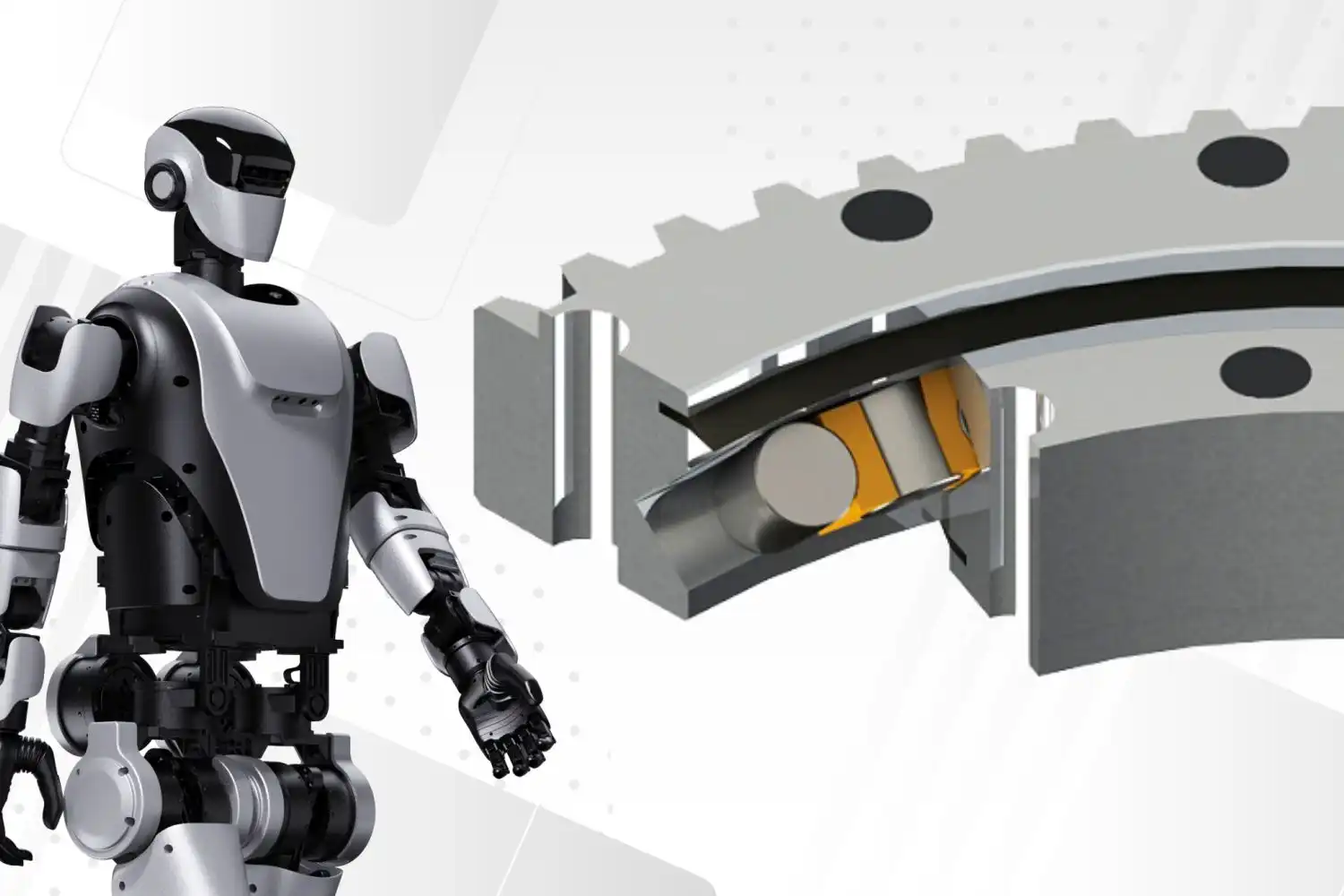
Cross Roller Slewing Bearings for Compact Rotating Mechanisms are a completely new way to do precision rotary engineering. They use V-shaped raceways to carefully place cylindrical rollers in a 1:1 cross arrangement. Because of their unique design, these bearings can handle radial, axial, and moment loads at the same time in very small areas while still being very accurate. Cross roller slewing bearings combine all of these functions into a single, small unit, unlike other bearing options that need multiple parts to handle complex loads. This integration is very useful in situations where both space efficiency and operational accuracy are needed. This makes them essential parts of modern industrial machinery where every millimetre of space is important.
Understanding Cross Roller Slewing Bearings
Cross roller slewing bearings stand as engineering marvels designed specifically for applications requiring exceptional load-carrying capacity within compact spaces. These specialised rotational components utilise a unique architecture where cylindrical rollers are positioned perpendicular to each other in alternating arrangements, creating a 90-degree cross pattern that maximises contact surface area while minimising overall bearing dimensions.
Core Design Principles and Working Mechanisms
A Cross Roller Slewing Bearing's main strength comes from the way its rollers are arranged. In contrast to regular ball bearings, which use point contact, these bearings use line contact because of their circular roller design. Each roller stays in contact with the raceway along its entire length. This spreads out loads more evenly and lowers stress levels that usually cause standard bearing systems to fail early. The V-shaped raceway design lets both roller positions work at the same time. This makes a bearing system that can handle complex load combinations without the need for extra support structures. This design principle gets rid of the need for separate thrust and radial bearing assemblies. This makes rotating devices much lighter and easier to install.
Material Specifications and Construction Quality
Huigong's cross roller slewing bearings are made from high-quality materials like 50Mn, 42CrMo, S48C, 42CrMo4, and 16Mn steel alloys, which were all chosen for their specific performance qualities. These materials go through a lot of difficult heat treatment steps to get the right hardness gradients. This makes sure that the surface will last while keeping the core tough, which is needed to absorb shock loads. Advanced machining techniques are used in the precise manufacturing process to get raceway tolerances as small as a few micrometres. This lets the bearings spin smoothly even when they are under a lot of load. The cage structure, which can be made of steel or engineered polymers, keeps the rollers spaced out precisely while also being able to handle the thermal expansion and operational pressures that are common in industrial settings.
Size Ranges and Configuration Options
There are three main types of modern cross roller cross roller slewing bearings slewing bearings that can meet the needs of different industries. No-gear versions have inner diameters between 320mm and 4,272mm and outer diameters between 550mm and 4,726mm. They can hold up to 3,100 kg. Both internal and external gear setups keep the same size ranges while using built-in drive systems that get rid of the need for extra gearbox parts in many situations.
Key Applications of Cross Roller Slewing Bearings in Industry
For example, cross roller slewing bearings have changed how many industries work, especially those that need precise movement but don't have a lot of room. Because they can handle loads from multiple directions while still being very accurate, they are important parts of everything from heavy construction equipment to high-precision medical devices.
Construction and Heavy Machinery Applications
When used in building equipment, these bearings allow excavators, loaders, and material handlers to move precisely while supporting heavy loads. The strong design can handle the shock loads that come up during digging work while still allowing for smooth rotation, which is important for operator comfort and equipment life. Equipment used to move goods in and out of ports depends on these bearings because they can keep turning heavy loads even when they are exposed to salt water and changes in temperature. Cross roller technology has been added to construction equipment, which has shown measurable gains in operational efficiency. Manufacturers of equipment say that these bearings allow for longer periods of time between maintenance and less downtime when compared to standard bearing arrangements. This means that owners and operators of the equipment will save a lot of money.
Precision Industrial Equipment Integration
The use of cross roller slewing bearings in medical imaging tools is another important area where they are needed. MRI machines, CT scanners, and surgical robot systems depend on these bearings to keep heavy parts in place and achieve positioning accuracy measured in arc-seconds. Vibrations that could hurt the quality of images or surgery are kept to a minimum by the smooth operation features. Cross roller bearings are used in satellite positioning systems, telescope mounts, and aeroplane control surfaces because they have a high strength-to-weight ratio. Because these bearings can keep their precision even when temperatures change a lot, and there is no air flow, they are essential for use in space where repair or maintenance is not possible.
Military and Defense System Requirements
Military equipment, including tank turret systems, radar installations, and missile launcher platforms, requires bearing systems capable of withstanding extreme operational conditions while maintaining targeting accuracy. Cross roller slewing bearings meet these demanding requirements through their inherent shock resistance and ability to function reliably in harsh environmental conditions, including dust, moisture, and temperature extremes.
Comparing Cross Roller Slewing Bearings with Other Bearing Types
Understanding the relative advantages of cross roller slewing bearings requires a comprehensive comparison with alternative bearing technologies commonly employed in rotating machinery cross roller slewing bearing applications. Each bearing type offers distinct characteristics that make it suitable for specific operational requirements and design constraints.
Cross Roller Versus Ball Bearing Technologies
Traditional ball slewing bearings utilise sphere-shaped rolling elements that create point contact with raceway surfaces. While this design offers excellent rolling characteristics and reduced friction at light loads, the limited contact area creates stress concentrations that reduce load-carrying capacity compared to cross roller designs. Ball bearings excel in high-speed applications where rotational velocity exceeds the capabilities of cylindrical roller systems. Cross roller configurations provide significantly higher load ratings through their line contact design, making them superior choices for applications involving heavy loads or shock conditions. The increased contact area distributes stresses more effectively, extending bearing life under demanding operational conditions. However, ball bearings typically achieve higher rotational speeds due to reduced rolling resistance and centrifugal forces.
Cylindrical and Tapered Roller Bearing Comparisons
Standard cylindrical roller bearings handle radial loads effectively but require separate thrust bearing systems for axial load support. This limitation necessitates more complex mounting arrangements and increased space requirements compared to cross roller designs that integrate both capabilities within a single bearing unit. Tapered roller bearings can accommodate combined radial and axial loads through their angular contact design, but typically require precise preload adjustment during installation. Cross roller slewing bearings eliminate preload sensitivity while providing superior moment load resistance through their inherent structural design.
Speciality Turntable Bearing Alternatives
Precision turntable bearings, including worm gear and harmonic drive systems, offer exceptional accuracy but at the cost of increased complexity and reduced efficiency. These systems require separate rotary actuators and transmission components, which cross roller slewing bearings can eliminate through integrated gear options. The maintenance requirements for complex turntable systems often exceed those of cross roller bearings due to the multiple components requiring lubrication and adjustment. Cross roller designs simplify maintenance procedures while providing comparable or superior positioning accuracy in many applications.
Selecting and Procuring the Right Cross Roller Slewing Bearing
Strategic procurement of cross roller slewing bearings requires careful evaluation of operational requirements, environmental conditions, and supplier capabilities. The decision process involves technical specifications, quality considerations, and long-term support requirements that impact overall equipment performance and lifecycle costs.
Technical Specification Development
Load analysis forms the foundation of proper Cross Roller Slewing Bearings selection, requiring accurate assessment of radial, axial, and moment loads throughout the operational cycle. Dynamic load calculations must account for shock loads, vibration effects, and fatigue considerations that influence bearing life expectancy. Environmental factors, including temperature ranges, contamination exposure, and corrosion potential, significantly impact material selection and sealing requirements. Rotational accuracy requirements determine manufacturing tolerances and quality grades necessary for specific applications. Precision machinery may require Cross Roller Slewing Bearings with runout tolerances measured in micrometres, while general industrial applications can accommodate standard tolerance grades without performance degradation.
Global Supplier Evaluation Criteria
Reputable companies like FAG, NSK, SKF, and Koyo make a lot of different types of cross roller bearings and offer full expert support and global distribution networks for all of them. Specialist makers, on the other hand, like Huigong, only make precision bearings for specific uses. They can often offer better customisation options and quick customer service for specific needs. Supplier certification standards, such as ISO 9001, AS9100, or quality standards specific to the industry, make sure that production methods are always the same and that products can be relied on. Stability in the supply chain is very important for applications that require cross roller slewing bearings, spare parts, and technical help for long periods of time.
Customization and Manufacturing Considerations
Standard bearing configurations work for a lot of different uses, but custom designs may offer better performance or make fitting easier. Changes that can be made include using special materials that can withstand high temperatures or corrosion, different lubrication systems for different working conditions, and built-in features that make fitting easier. When it comes to lead times, normal and custom bearing configurations are very different. Standard goods might be ready in a few weeks, but custom designs might take a few months to develop and make. Planning when to buy things around when the equipment needs to be delivered keeps projects on track and makes sure there are enough chances for integration testing.
Maintenance and Service Life Optimisation
Choosing the right lubricant and keeping up with repair schedules has a big effect on how well bearings work and how long they last. When working in extreme temperatures, synthetic lubricants often work better than standard mineral oils. For normal situations, however, mineral oils may be fine. Effective sealing systems that keep out contamination increase service life and lower the need for maintenance. Regular monitoring methods, such as analysing vibrations, measuring temperatures, and checking the state of the lubrication, allow for predictive maintenance plans that stop unexpected failures. Recording working conditions and maintenance activities helps with warranty claims and makes it easier to figure out what's wrong when performance problems happen.
Conclusion
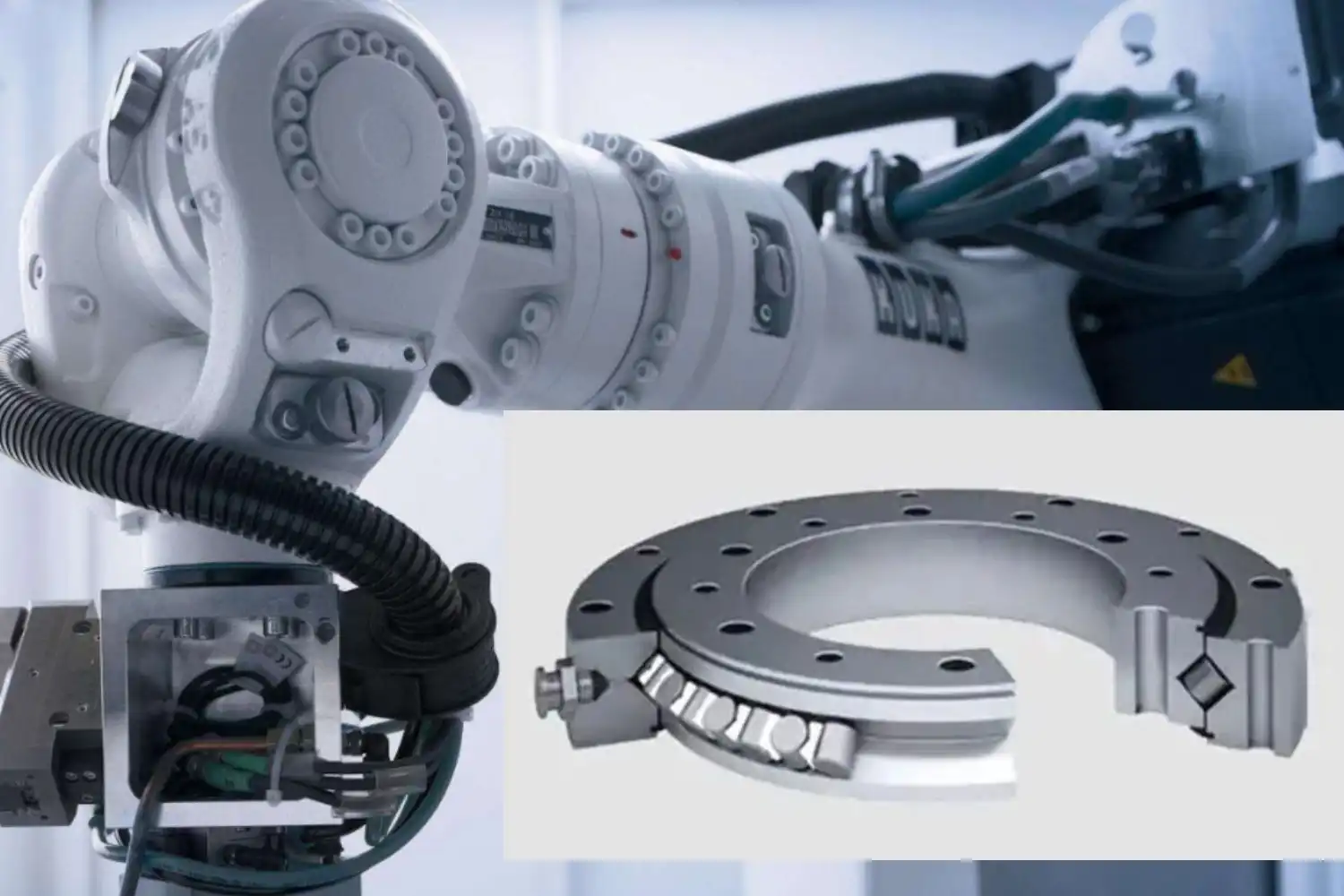
Cross Roller Slewing Bearings for Compact Rotating Mechanisms are the best precision bearing technology on the market. They are very flexible and can be used in a wide range of situations where space is limited, and high load capacity and rotational accuracy are needed. Because of their unique 1:1 cross roller arrangement, these bearings get rid of the complexity of standard multi-bearing assemblies while still providing better performance in a wide range of industrial settings. The wide range of configurations, from versions with no gears to those with integrated drive systems, makes it possible to meet the needs of almost any rotating machinery while making installation and upkeep easier. Cross roller slewing bearings are the building blocks for next-generation rotating mechanisms that describe the best in modern engineering. This is because they allow industrial equipment to become more precise and efficient.
FAQ
1. What distinguishes cross roller slewing bearings from conventional roller bearings?
Cross roller slewing bearings utilise cylindrical rollers arranged in alternating 90-degree orientations, enabling simultaneous support of radial, axial, and moment loads within a single bearing unit. Conventional roller bearings typically handle only radial or axial loads, requiring multiple bearing assemblies for complex load combinations.
2. How do I determine the correct size for my application?
Sizing calculations require a comprehensive load analysis, including maximum radial, axial, and moment loads throughout the operational cycle. Additionally, space constraints, mounting configuration, and accuracy requirements influence size selection. Professional bearing engineers can perform detailed calculations based on specific application parameters.
3. What maintenance practices extend bearing service life?
Regular lubrication according to manufacturer recommendations, contamination prevention through proper sealing, and periodic inspection for wear indicators significantly extend bearing life. Vibration monitoring and temperature measurement enable predictive maintenance strategies that prevent unexpected failures while optimising replacement schedules.
4. Can cross roller slewing bearings operate in extreme temperature environments?
Specialised material selections and lubrication systems enable operation across extended temperature ranges. High-temperature applications may require heat-treated steels and synthetic lubricants, while low-temperature environments need materials maintaining toughness at reduced temperatures. Custom designs accommodate specific environmental requirements.
5. What factors influence bearing accuracy and precision?
Manufacturing tolerances, raceway surface finish quality, roller dimensional consistency, and cage precision collectively determine bearing accuracy. Higher precision grades require tighter manufacturing tolerances and specialised quality control procedures, resulting in superior positional accuracy but increased costs.
Partner with Huigong for Superior Cross Roller Slewing Bearing Solutions
Huigong stands as your trusted cross roller slewing bearing manufacturer, combining decades of precision engineering expertise with advanced manufacturing capabilities to deliver solutions that exceed industry standards. Our comprehensive product range accommodates applications from compact rotating mechanisms to large-scale industrial systems, backed by rigorous quality control and responsive technical support. Whether you require standard configurations or custom designs tailored to unique operational requirements, our engineering team collaborates closely with your specifications to optimise performance and reliability. Contact our bearing specialists at sale@chg-bearing.com to discuss your specific requirements and discover how Huigong's cross roller slewing bearing expertise can enhance your equipment performance while reducing total ownership costs.
References
1. Bearing Technology Handbook: Advanced Rotary Mechanisms in Industrial Applications. 4th Edition. Industrial Press, 2023.
2. Cross Roller Bearing Design and Application Guidelines. Society of Tribologists and Lubrication Engineers Technical Publication, 2022.
3. Precision Bearing Selection for Compact Rotating Systems. ASME Journal of Mechanical Design, Volume 145, 2023.
4. Load Analysis and Life Prediction for Slewing Bearings in Heavy Machinery. International Journal of Mechanical Sciences, 2022.
5. Material Science and Heat Treatment Optimisation for High-Performance Bearing Steels. Materials Science and Engineering Review, 2023.
6. Maintenance Strategies for Extended Service Life in Industrial Bearing Applications. Tribology International Journal, Volume 178, 2023.